How to Custom-Make a Jewelry Storage Box: A Supplier’s Guide for Your Unique Pieces
If you’re anything like the hundreds of customers I work with every month—from small boutique jewelry designers to collectors with a closet full of one-of-a-kind necklaces and heirloom rings—you know that a store-bought jewelry box rarely fits. Those pre-cut velvet liners are either too shallow for your longest drop earrings, too cramped for your stack of 10 bangles, or leave your most delicate pieces scuffed against generic foam. That’s why I’ve built my entire business around custom jewelry storage boxes: not just as a product, but as a solution that meets the exact needs of what you actually own. Over the last seven years, I’ve walked thousands of clients through the process of designing their perfect box, and today I’m breaking down everything you need to know to make a custom jewelry storage box that works for you—no fancy design degree required. Jewelry Storage Boxes
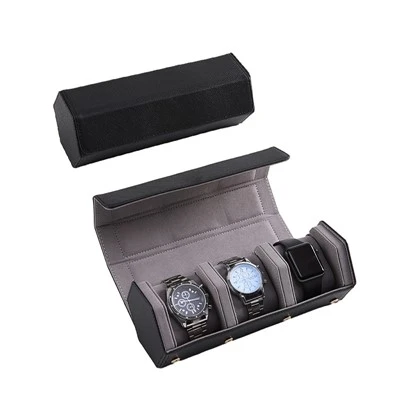
Start with a Full Inventory of Your Jewelry: Don’t Skip This Step
The biggest mistake I see people make when designing a custom jewelry box is guessing at their needs. Last quarter, I had a client, Mia, who came to me saying she needed a “medium-sized box” for her collection. When she pulled out her pieces, we realized she had 12 pairs of chandelier earrings that were three inches long each—something a medium box would never fit. The fix wasn’t a bigger box, it was adjusting the internal layout. That’s why the first (and most important) step is to do a full inventory of every piece you want to store in your custom box.
Grab a notepad and lay all your jewelry out on a clean surface. Categorize them by type: rings, studs, drop earrings, necklaces, bracelets, brooches, and any specialty pieces like watch bands or hairpins. For each category, take precise measurements: length, width, and depth of each individual piece. For necklaces, measure the full length from clasp to pendant, plus how much space you need to keep the chain from tangling (I recommend at least two extra inches per long necklace). For rings, note if you have oversized cocktail rings that won’t fit in a standard 1-inch ring slot. For earrings, separate studs from drops, since drops need vertical space and studs can fit in smaller, horizontal slots.
Don’t forget to count how many pieces you have in each category, too. If you have 15 drop earrings, you’ll need 15 vertical slots, not 10. If you have three long, layered necklaces, you’ll need three separate necklace pouches or hooks, not a single long slot that makes them twist together. I always tell clients to add 10% extra space to their total count—this accounts for future pieces you’ll add before your box wears out, and prevents the interior from feeling too tight right away.
Once you have that inventory, organize it by how you use your jewelry. Do you wear three necklaces daily and keep the rest stored? Designate a section for “everyday pieces” that’s easy to access, and a deeper, locked section for special occasion or heirloom pieces. That small adjustment makes your custom box not just a storage solution, but a functional part of your daily routine.
Choose the Right Base and Material: Balancing Durability and Style
The next step is picking the base and material for your custom jewelry box. This is where many people get overwhelmed—do you go for wood, leather, or synthetic materials? For what it’s worth, I recommend choosing a material that matches how you’ll use the box. If you’re storing heirlooms that will only come out for special events, a solid wood box is perfect—it’s sturdy, scratch-resistant, and ages beautifully. If you’re bringing your jewelry with you to the office or on trips, a lightweight, water-resistant leather or faux leather box is a better pick, since it’s easy to toss in a tote bag without adding too much weight.
Let’s break down the most common materials I work with, and their pros and cons, to help you decide:
Solid wood: This is my top pick for permanent home storage. We use sustainably sourced oak and maple for most of our wood boxes, because they’re dense enough to resist dents and won’t warp over time. Wood also provides natural protection from dust and small pests, which is a huge plus if you’re storing pieces long-term. The only downside is that solid wood is heavier, so it’s not ideal for travel boxes. Also, if you want a super sleek, modern look, some clients find traditional wood finishes too ornate—we offer custom staining and even paint finishes for that, so you’re not stuck with just natural brown or black.
Leather and faux leather: Leather is great for travel boxes, vanity tops, or anyone who prefers a soft, polished look. Top-grain leather is durable and gets better with age, while faux leather is a more affordable, vegan option that still looks sleek. We line all our leather boxes with soft, scratch-resistant satin or microfiber, so your pieces won’t scuff when you slide them in. The only thing to keep in mind with leather: avoid placing it in direct sunlight, as it can fade over time. If you’re storing it in a drawer or closet, that’s not a problem.
Cardboard or mdf: Wait, I know what you’re thinking—cardboard? No, hear me out. For temporary storage or budget-friendly custom boxes for small businesses, we use heavy-duty cardboard and MDF (medium-density fiberboard). These are lightweight, affordable, and we can print custom designs on them—like a small boutique logo or a client’s name—for a personal touch. They’re not as durable as wood or leather, though, so I only recommend them if you’re not storing high-value pieces long-term.
The base size is the next part of this step. Once you have your inventory measurements, calculate the total interior space you need. Add 1 to 2 inches to the length and width for the outer shell and the padding around the interior, so your pieces aren’t pressing against the edges. A common mistake here is making the box too small to close properly—always leave a little extra space. For example, if your total internal layout ends up being 10 inches long by 8 inches wide, make the outer box 11 inches long by 9 inches wide to give yourself room for hinges and the lid.
Design the Interior Layout: Tailor Every Slot to Your Pieces
This is the fun part— designing the inside of your box so every piece has its own spot. Generic jewelry boxes use a one-size-fits-all layout: a ring slot here, a necklace hook there, regardless of whether your pieces fit. With a custom box, you get to adjust every slot, divider, and liner to your exact needs.
First, decide what type of interior you want. The most common options are:
-
Divided trays: These are the most versatile, especially for clients who have a mix of small and large pieces. You can have multiple stacked trays, each with adjustable dividers so you can rearrange slots whenever you get new pieces. For example, if you add a new pair of oversized earrings, you can just adjust the divider to make a larger slot—no need to order an entirely new box. We use removable, soft-sided dividers that don’t scratch pieces, so you can reconfigure the layout as often as you want.
-
Fixed slots: If you have a set number of pieces that won’t change, fixed slots are a great option. They’re sturdier and take up less space than adjustable trays. For example, a client who has exactly 8 pairs of studs and 4 stacks of bangles might opt for fixed slots sized perfectly for each, so everything sits snugly without shifting.
-
Necklace inserts: For people with long necklaces, I always recommend dedicated necklace inserts instead of hanging hooks. Hanging hooks can cause necklaces to stretch or kink, especially fine chains. A custom necklace insert has individual pockets or hooks spaced 2 inches apart, so each necklace lies flat without tangling. We even add a soft velvet lining to these pockets to prevent chains from scratching.
-
Lockable sections: If you’re storing high-value jewelry or heirlooms, adding a small lockable compartment is a must. We build these into the base of the box, or as a small tray that sits at the top, so your most important pieces are secure.
When designing your layout, think about how you access your jewelry. If you grab your rings every morning, put the ring section at the front of the tray, so you don’t have to dig through other pieces. If you only use your special occasion necklace once a month, tuck it in a deeper back section. I also recommend adding a small, soft-lined slot for watches, if you own them—watch bands are prone to getting scratched, so a dedicated, cushioned spot is worth the extra space.
One tip I give all first-time clients: test the layout with actual pieces before finalizing the design. If you’re working with a supplier like me (more on that later), we can create a 3D mockup of the interior for you, so you can place your actual pieces in the digital layout to make sure everything fits. Last year, a client came to us with a 6-inch long pendant that she thought would fit in a standard necklace slot—when we tested it, we realized it needed an 8-inch slot, so we adjusted the design before cutting any wood. That small step saved us both time and money, and it ensured she was happy with the final product.
Add Finishing Touches: Small Details That Make a Big Difference
The finishing touches are what turn a functional storage box into a personalized piece that feels like yours. These are the details most generic boxes skip, but they make your custom box worth the investment.
First, the liner material. The standard is velvet, but not all velvet is created equal. I use high-pile, non-abrasive velvet that won’t catch on delicate gemstones or fine chains. For clients with sensitive metals, we offer a hypoallergenic silk liner, which is soft enough to prevent tarnishing on silver and gold pieces. If you’re storing pearls or other soft gemstones, avoid liners with any rough texture—silk or microfiber is the safest bet.
Next, hardware. Hinges, latches, and clasps might seem like a small part, but they’re what make the box easy to use every day. For a sturdy, long-lasting box, go for solid brass or stainless steel hinges—they won’t rust or wobble over time. Latches: if you have kids or pets at home, a magnetic latch is convenient, but a keyed or combination lock is better for securing high-value pieces. We also offer custom engraved hardware—you can add your name, a date, or a small design to the latch, so your box feels truly unique.
Exterior details: Beyond the base material, you can add things like a custom finish, embossed text, or even a hand-painted design. A lot of our clients are small jewelry designers, so we add their brand logo to the lid for a cohesive look for their studio. For personal use, you can emboss a family name, a special date, or a quote that matters to you. If you want something extra, we even do custom wood inlays or leather appliqués for clients who want a statement piece.
One finishing touch I highly recommend is a dust cover or a protective bag for the box, especially if you’re not going to use it every day. We include a soft dust cover with every custom box we make, which keeps your jewelry clean when the box is stored in a closet or on a shelf. It’s a small add-on, but it extends the life of your box and your jewelry by preventing dust buildup.
Work with a Supplier That Understands Customization: What to Look For
At the end of the day, designing a custom jewelry storage box is only as good as the supplier you work with. Over seven years, I’ve seen clients waste time and money on suppliers that treat customization like an afterthought—they use pre-made parts and just rearrange them, so you end up with a box that’s not actually custom for your needs.
Here’s what to look for in a custom jewelry box supplier:
-
They offer a free, no-obligation consultation: A good supplier will ask you detailed questions about your jewelry, how you use it, and your style, not just send you a form to fill out. Last week, a client told me she almost went with another supplier, but they only asked for her box size, not what she was storing. That’s a red flag—they don’t understand that custom boxes are for your jewelry, not just empty space.
-
They provide 3D mockups or physical prototypes: Before you pay for a full custom box, you should get to see what it will look like. 3D mockups let you test the interior layout with your actual pieces, and some suppliers (like us) offer small physical prototypes for a low fee, so you can touch the material and see how the hinges work before committing.
-
They use sustainable or quality materials: Avoid suppliers that use cheap, low-quality materials that will warp, scratch, or fall apart after a few months. Ask about their material sources—if they use wood, do they source it from sustainable forests? If they use leather, is it top-grain or bonded leather? At our company, we only use materials that are non-toxic and durable, because we want our boxes to last for decades, not years.
-

They offer flexible turnaround times and pricing: Customization doesn’t have to break the bank. A good supplier will work with your budget—whether you need a small travel box for $50 or a large heirloom box for $500. They should also communicate clearly about turnaround times, so you know when your box will be ready, without hidden fees.
Jewelry Packaging Boxes If you’re ready to design your custom jewelry storage box, I encourage you to reach out and connect. We’ve worked with everyone from individual collectors to small boutique jewelry brands, and we take the time to make sure every box we create is exactly what you need. Whether you need a box for your engagement ring and wedding band, a storage solution for your growing collection of handcrafted earrings, or a branded box to sell with your jewelry line, we’re here to walk you through every step—from inventory to final delivery. Don’t settle for a generic box that doesn’t fit what you love; get a custom box that works for you.
References
- Jewelry Storage Best Practices: A Guide for Collectors. International Jewelers Association, 2022.
- Sustainable Materials for Custom Wood Products. Forest Stewardship Council, 2021.
- Leather Care and Durability Standards for Luxury Goods. Leather Industries of America, 2023.
- Ergonomic Design for Jewelry Storage Solutions. Journal of Retail and Consumer Services, vol. 45, 2020, pp. 102567.
Shenzhen Yingbosang Crafts and Gifts Limited
Shenzhen Yingbosang Crafts and Gifts Limited is one of the most professional jewelry storage boxes manufacturers and suppliers in China, also supports customized service. Please feel free to wholesale bulk premium jewelry storage boxes made in China here from our factory. For quotation, contact us now.
Address: No.8, Ruiji Road, Nanlian Community, Longgang, Shenzhen, Guangdong, China
E-mail: andyzeng@ybsgroup.cn
WebSite: https://www.ybsbox.com/
