If you’re in the garment, textile, or apparel manufacturing space, you’ve probably noticed how setting machines have shifted from being just bulky equipment in a corner to the backbone of consistent, high-quality product finishes. As a supplier of these machines, I talk to factory owners and production supervisors every week who ask me the same thing: “What certifications do I actually need to run these things legally, safely, and efficiently in my facility?” It’s a great question—and one that’s not just about checking a box on a compliance form. The right certifications protect your workers, keep your production line running without costly delays, and even help you lock in big brand contracts that require specific safety and quality standards. Setting Machine

Let’s break this down by category, because the certifications you need depend a lot on where your factory is located, what type of setting machines you’re using, and what products you’re making. Setting machines cover a wide range: from heat setting machines for knit fabrics and shrinkage control, to press setting machines for denim seams and waistbands, to specialized setting machines for athletic wear that needs to retain shape after 50 washes. Each of these has slightly different requirements, but there are core certifications that apply across the board.
First, let’s start with the most non-negotiable ones: safety certifications for the machines themselves. No matter where you operate, if your setting machine is not safety-compliant, you’re at risk of OSHA (U.S.), HSE (UK), CE (EU), or other regional regulatory fines—and more importantly, at risk of serious workplace injuries. For electrical setting machines (the most common type, which run on industrial power), the first big one is OSHA 29 CFR 1910.303-1910.308 in the United States. This standard covers all electrical equipment in the workplace, requiring that setting machines have proper grounding, overcurrent protection, and locked-out power switches to prevent accidental startup. I’ve seen too many small factories try to save money on used, uncertified setting machines—only to have OSHA shut down their line for 3 days and issue a $12,000 fine for a missing emergency stop button. In the EU, CE marking is mandatory for all industrial equipment sold or used there. CE certification for setting machines covers everything from electrical safety to mechanical stability, noise emissions, and even energy efficiency. A lot of our international clients are surprised to learn that noise levels from high-temperature setting machines can exceed 85 decibels, which is the threshold for requiring hearing protection per OSHA. CE-certified machines include insulated components and sound-dampening enclosures that keep noise under 80 decibels, eliminating that extra cost for hearing protection for your team. For our clients in Canada, CSA Group certifications are the equivalent of CE or OSHA, and in Australia/New Zealand, it’s AS/NZS 60204.1. If you’re operating a gas-powered setting machine (common for smaller factories without access to reliable industrial electrical), you also need specific certifications for gas line safety. In the U.S., that’s NFPA 54 (National Fuel Gas Code), which requires proper venting for exhaust fumes from gas-powered heating elements to prevent carbon monoxide buildup. I always advise clients to confirm these certifications before they even consider buying a setting machine—because retrofitting an uncertified machine to meet safety standards costs more than buying a pre-certified one from us.
Next, there are quality and performance certifications that go beyond safety, because setting machines directly impact the final quality of your product. A lot of apparel brands now require that their suppliers’ production equipment meets specific standards for fabric shrinkage, seam durability, and color fastness. For example, if you’re making cotton t-shirts, heat setting is critical to prevent the shirt from shrinking 5% after the first wash, which would get you sent back from a major retailer. The AATCC (American Association of Textile Chemists and Colorists) has a standard specifically for heat setting of knit fabrics: AATCC Test Method 135, which measures shrinkage after industrial washing. Setting machines that are certified to meet AATCC 135 are calibrated to maintain consistent temperature (within ±2°F across the entire heating zone) and tension on the fabric, which ensures every roll you process meets that shrinkage requirement. A lot of our larger clients who supply to brands like Nike or Adidas also need ISO 9001 certification for their production processes, and a big part of that is proving that their setting equipment is consistent enough to hit quality targets every shift. We work with those clients to calibrate our machines on a semi-annual basis, which aligns with ISO 9001 audit requirements. For denim manufacturers, there’s the Council for Denim and Apparel’s (CDA) Denim Manufacturing Standard, which includes requirements for press setting machines that maintain seam tension without damaging the denim’s fading or texture. I’ve had a few clients come to me after switching from a cheap, uncertified press setting machine that was leaving uneven seam tension, resulting in 8-10% defect rates on their jeans. Our CDA-certified press setting machines cut that defect rate down to under 2%, which alone pays for the machine in 3 months from reduced waste.
Then there are operational and worker safety certifications that your team needs to use setting machines correctly. Certifications aren’t just for equipment—they’re for the people operating it, too. The Occupational Safety and Health Administration (OSHA) requires that all workers operating industrial setting machines complete specific machine-specific training, but there are also third-party certifications that are widely recognized across the industry. For example, the Textile Institute offers a Certified Textile Process Technician (CTPT) credential, which includes a module on setting machine operation, safety, and calibration. I always encourage clients to send their line leads to get this certification, because it not only ensures they know how to spot a faulty heating element or a tension imbalance before it causes a product defect, but it also helps with brand audits. Many large apparel brands will check the certifications of your key operators during a factory audit, and having certified team members on staff can make the difference between getting the contract or not. Another important operational certification is energy efficiency, which is more relevant now than ever as factories face rising utility costs. The ENERGY STAR label for industrial setting machines, recognized in the U.S. and EU, means the machine uses 20-30% less energy than standard models. That’s not just a “green” checkmark—our clients who switch to ENERGY STAR-certified setting machines save an average of $1,200 per year per machine on electricity bills. For factories in regions with strict carbon emissions regulations (like California’s cap-and-trade program), ENERGY STAR certification can also count towards meeting your facility’s emissions reduction targets, avoiding thousands in annual fees.
Wait, I should also address a common misconception I hear all the time: “I bought a used setting machine from a guy on Alibaba, and he said it’s ‘certified.’” 9 times out of 10, that certification is either outdated, for a different region, or even fake. Last year, a client of mine in Mexico bought a used heat setting machine that had an old CE sticker from 2010, but the machine had been modified to run on 220V instead of the original 380V, and the emergency stop button was wired incorrectly. When they had a local inspector come check, they were fined $5,000 and had to shut down the line for 2 weeks while they rewired the machine and got recertified. That’s why as a setting machine supplier, we don’t just sell you equipment—we provide full documentation of all current, region-specific certifications, and we offer pre-installation audits to confirm the machine meets local regulatory requirements. We also provide free operator training that aligns with the Textile Institute’s CTPT standards, so your team is certified to use the machine correctly from day one.
Another point: if you’re exporting products, setting machine certifications can impact customs clearance, too. Many countries require proof that industrial equipment used in manufacturing meets local safety and environmental standards before it’s allowed into the country. For example, if you’re importing setting machines to Brazil, you’ll need INMETRO certification, and to South Korea, KCs certification. I always work with clients to map out their certification needs based on their target market and location, because trying to import a machine that’s missing a required certification can lead to the machine being seized at the port, costing you tens of thousands in storage and shipping fees.
Let me also talk about specific niche certifications for specialized setting machines, because not all setting machines are the same. If you’re working with technical fabrics like Gore-Tex or windproof athletic wear, you’ll need setting machines that are certified to maintain the fabric’s breathable membrane. The Gore-Tex Company has its own equipment certification program, which requires setting machines to operate at specific temperatures and tension to avoid damaging the membrane’s waterproof properties. I’ve had a few clients who were making technical jackets come to me after losing a big order because their previous setting machine was too hot, melting the Gore-Tex membrane and resulting in 15% defective jackets. Our Gore-Tex-certified setting machines are calibrated to keep temperatures within 5°F of the required 180°C, so you never have that issue. For home textile manufacturers, like those making bed linens or towels, there’s the OEKO-TEX Standard 100 certification, which requires that all production equipment doesn’t transfer harmful substances to the fabric. OEKO-TEX certified setting machines use non-toxic heating elements and have sealed rollers to prevent lint or metal shavings from getting into the fabric, which is a requirement for OEKO-TEX certified products.
Now, I know this can feel overwhelming for a small to medium-sized factory owner who’s just getting started. You don’t need every single certification out there—you just need the ones that apply to your location, your product type, and your customer requirements. As a setting machine supplier, my job is to help you cut through the noise. We don’t sell “certified” machines that are just barely meeting minimum standards—we sell machines that are certified to exceed industry requirements, so you avoid fines, reduce defects, and qualify for the biggest brand contracts. If you’re not sure which certifications you need for your facility, our team is always here to walk you through it, review your current setup, and recommend the right machines for your needs. We also offer flexible financing and installation support, so you can get a fully certified setting machine up and running on your line without the hassle.
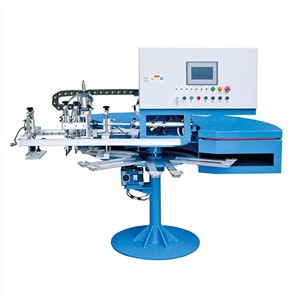
Whether you’re upgrading your old setting machines to reduce defects, expanding your production line, or entering a new market that requires specific certifications, the right equipment and documentation make all the difference. I’ve been in this industry for 12 years now, and I’ve seen factories close over uncertified equipment, and I’ve seen factories double their output after investing in certified, reliable setting machines. The key is to plan ahead—don’t wait until an OSHA audit or a brand contract deadline to check your certifications. Reach out to our team today to discuss your needs, and we’ll help you find the perfect certified setting machines that fit your budget and production goals.
Socks Setting Machine References:
- Occupational Safety and Health Administration (OSHA). (2023). 29 CFR Parts 1910.303-1910.308: Electrical in the Workplace. U.S. Department of Labor.
- AATCC. (2022). Test Method 135: Dimensional Change of Fabrics After Repeated Home Laundering. American Association of Textile Chemists and Colorists.
- Council for Denim and Apparel (CDA). (2021). Denim Manufacturing Standard: Equipment and Process Requirements for Seam and Waistband Setting.
- International Organization for Standardization (ISO). (2015). ISO 9001: Quality Management Systems Requirements.
- Textile Institute. (2023). Certified Textile Process Technician (CTPT) Curriculum and Certification Standards.
- U.S. Environmental Protection Agency (EPA). (2022). ENERGY STAR for Industrial Equipment: Setting Machine Specifications.
- OEKO-TEX International. (2021). Standard 100: Requirements for Production Equipment and Processes.
- World Trade Organization (WTO). (2022). Technical Barriers to Trade: Industrial Equipment Certification Requirements for Cross-Border Imports.
Zhejiang Rongyifu Machinery Tech. Co., Ltd.
Zhejiang Rongyifu Machinery Tech. Co., Ltd. is well-known as one of the leading setting machine manufacturers and suppliers in China. If you’re going to wholesale custom made setting machine at competitive price, welcome to get more information from our factory.
Address: No.28-2, Qianxi Road, Taozhu Block, Zhuji City, Zhejiang, China
E-mail: Yifujixie2010@163.com
WebSite: https://www.ryfmachinery.com/
