Hey everyone, quick question for you—have you ever stared at a paper cup after chugging your morning coffee, wondering why it doesn’t just fall apart the second it hits hot liquid? As someone who’s been a paper cup supplier for over a decade, I get that question nonstop, usually from café owners or event planners panicking about a spill at a busy weekend market. Today, let’s cut through the confusion: do paper cups actually have a lining? And more importantly, why does that even matter for anyone buying these things? Paper Cup
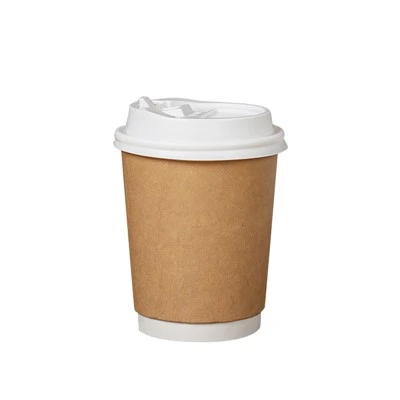
Let’s start with the basics, ‘cause I know half the time when you Google this, you get 10 pages of boring, jargon-heavy stuff that makes your eyes glaze over. Paper is great—it’s cheap, moldable, and feels way more “eco” than plastic, right? But pure paper absorbs water like a sponge. Leave a plain paper cup out with a soda in it, and in 10 minutes it’s soggy at the bottom, leaking all over your desk. That’s where the lining comes in.
So yeah, almost every single paper cup you pick up at a café has some kind of lining. Wait, almost? There are a few super niche exceptions, but we’ll get to those in a sec. Most people assume it’s plastic, and for a long time that was 100% true. Back in the day, every takeout cup had a thin polyethylene (PE) plastic lining. It’s cheap, easy to apply, and does the job perfectly—it keeps water, coffee, soda, whatever, from seeping through the paper. Problem is, PE is a single-use plastic, and it’s terrible for recycling ‘cause you can’t just strip the plastic off the paper easily. That’s been a huge pain point for the whole industry, especially over the last 10 years as consumers have gotten way more obsessed with reducing waste.
That’s why we’ve seen a ton of new lining options pop up lately. Now you’ve got cups with plant-based linings, usually made from things like cornstarch or sugarcane. These work almost exactly like PE, but they break down way better in compost. There’s also PLA, a bioplastic made from fermented plant starch, that’s another popular alternative. Now, important note: even these plant-based linings aren’t magic. They’ll only compost properly in industrial compost facilities, not your backyard bin. I see so many customers get confused about that—they think a “compostable cup” is something they can toss in their garden, and half the time it’s not. We always make a point to tell that to every new client that comes to us, ‘cause we don’t want them making a mistake that ends up with their waste actually not composting.
Now, what about those exceptions I mentioned earlier? There are a few paper cups out there without any lining at all. Mostly they’re for very specific uses, like cold drinks that are only going to be used for a minute, or specialty paper cups for things like dried goods (think: popcorn or cereal at a movie theater). Even then, a lot of those have a thin wax lining instead of plastic, though wax isn’t perfect either. Wax-lined cups are better than PE in some ways, but they’re still not great for recycling, and they don’t hold up as well to hot liquids. You wouldn’t use a wax-lined cup for a latte, that’s for sure.
Let me pull back the curtain a little on how we make these, from a supplier’s perspective. When a custom order comes in—say a local café wants 5,000 branded paper cups for their new seasonal menu—we first figure out what kind of lining they need. If it’s iced coffee, a standard PE or plant-based cold lining works. If it’s hot coffee or tea, we use a heat-resistant lining, ‘cause regular PE can start to break down at really high temps, leaching tiny bits of plastic into the drink. We test every batch, too—before any cup leaves our warehouse, we do a leak test, a heat resistance test, and even a test to make sure the lining doesn’t flake off. Customers don’t always see that part, but it’s the stuff that keeps them from getting bad reviews when a cup leaks mid-delivery.
I know a lot of people are still hung up on whether paper cups with linings are “truly eco.” The short answer is: it depends, but way more so than it used to. Let’s be real—single-use cups will always have a carbon footprint, no matter what. But a paper cup with a plant-based lining is way better than a foam cup, or even a plastic bottle for a single drink. And compared to the old PE-lined cups, the new plant-based ones have come so far in the last 5 years. We’ve had a lot of clients switch over, especially after city-wide bans on single-use plastic, and the feedback from their customers is almost always positive. Yeah, they’re a tiny bit more expensive, but not enough to make a huge difference for most small businesses.
Wait, let’s address a common myth I hear all the time: “I can recycle my paper cup, right?” That’s not always true. If your local recycling program accepts plastic-lined paper (most do now, actually—though some small towns still don’t, so always check), great. If it’s a plant-based lining, you’ll need to find a compost program that accepts them, ‘cause your curbside recycling probably won’t. We always give our clients a cheat sheet for their customers, so they know what to tell people when they ask about recycling or composting the cups. No one likes seeing a perfectly good cup get tossed in the trash ‘cause someone didn’t know how to dispose of it right.
Another question I get: do different linings work for different temperatures? Definitely. We can’t use the same lining for a hot chocolate cup (160°F+) and a cold soda cup (40°F). Hot drinks need a lining that can withstand high temps without melting or breaking down, which is why we use a reinforced plant-based or PE lining for hot cups. Cold drinks don’t need that, so we can use a thinner lining to cut down on material and cost. It’s all about matching the lining to the use case, which is what we help every client figure out when they come to us.
Let me throw in a quick personal story here, ‘cause this is stuff I’ve seen firsthand. A couple years ago, we had a small coffee shop client in Portland that was getting destroyed online for using paper cups that leaked. Turns out, they’d ordered the cheapest plain lined cups they could find, no testing. We helped them switch to our heat-resistant plant-based lined cups, walked them through how to train their baristas to not overfill them (another common leak cause!), and within 6 months their online reviews were 5 stars again. That’s the stuff that makes this job worth it—seeing small businesses succeed, not just moving product.
Now, if you’re a café owner, event planner, or anyone needing paper cups for a big order, here’s the thing: lining isn’t one-size-fits-all. You can’t just grab any paper cup off a shelf and expect it to work for your hot lattes or cold smoothies. That’s why we’re here—we don’t just sell paper cups, we help you figure out the right lining for your specific needs, whether you care more about cost, eco-friendliness, or durability. We work with everyone from local cafes with 100-cup weekly orders to big event companies needing 100,000 cups for a music festival next month.
If you’re tired of dealing with leaky cups, or you’re looking to switch to more eco-friendly options without breaking the bank, hit us up to chat about your order. We’ll walk you through the different lining options, answer all your questions about recycling or composting, and make sure you get exactly what you need. No pushy sales stuff, just honest advice from someone who’s been in this game long enough to know what works.
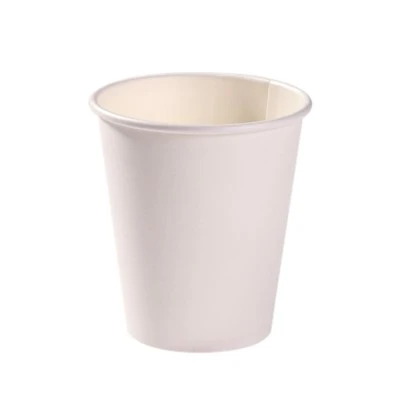
At the end of the day, paper cups with linings aren’t just some random product—they’re the quiet workhorse of takeout and events, keeping drinks in the cup and off counters, tables, and laps. The lining might be the part you don’t even notice, but it’s the reason those paper cups work as well as they do. And as suppliers, it’s our job to make sure those linings are as good for the planet as they are for your customers.
Straws References:
- Ellen MacArthur Foundation. (2022). The Future of Paper and Plastic Packaging.
- Food and Drug Administration. (2021). Food Contact Substances: Paper and Paperboard Packaging.
- Sustainable Packaging Coalition. (2023). Paper Cup Lining Guide for Small Businesses.
Eton International Trading Co., Ltd.
We are one of the most professional paper cup manufacturers and suppliers in China, also support custom service. Please feel free to buy bulk high quality paper cup at competitive price from our factory. For more cheap products, contact us now.
Address: No. 378 Beiyuan Road, Yiwu City, Zhejiang Province
E-mail: Meng@china-straws.com
WebSite: https://www.eton-pack.com/
