When I walk into a Mediterranean-style living room, I immediately think of sun-drenched courtyards, terracotta floors, and walls that glow like they’ve been kissed by the Mediterranean sun. As a sofa supplier who’s spent years matching pieces to homes built around this timeless aesthetic, I can tell you that choosing the right sofa isn’t just about picking a comfortable seat—it’s about weaving that same laid-back, sun-bleached magic into your space. I’ve seen too many homeowners skip key details and end up with a sofa that feels out of place, like a city couch plopped down on a village patio. Let me walk you through exactly what to look for, based on years of working with design experts and clients who want their homes to feel like a year-round escape. Sofas
First, let’s talk about the core of Mediterranean design: light, warmth, and natural materials. This isn’t a sleek, modern style—it’s rooted in function and connection to nature, so your sofa needs to feel like it’s made from the earth around it. Start with the frame. Pine, oak, and teak are the go-to woods here, and for good reason. Pine has that light, airy grain that doesn’t overwhelm a small living room, which is perfect because many Mediterranean-style homes feature open but cozy spaces. Oak is a bit sturdier, ideal for larger families or rooms that get a lot of use, and its warm, golden tone pairs beautifully with terracotta tiles and light wall paints. Teak, though more expensive, brings that weathered, vintage look that evokes old Mediterranean farmhouses. I always tell clients to avoid dark, heavily stained frames—they can make a room feel heavy and closed off. Instead, go for frames with a natural finish, or a light whitewash that lets the wood’s texture peek through. Last year, we supplied a custom whitewashed oak sofa to a client in Phoenix whose living room opens to a courtyard, and the frame felt like an extension of the stone columns outside. It wasn’t just a piece of furniture; it tied the indoors and outdoors together, which is exactly what Mediterranean style is all about.
Next, fabric is make-or-break. You need something that’s durable enough for everyday life, but still has that soft, sunbaked feel. Linen is top of the list here. It’s lightweight, breathable, and has that subtle, intentional wrinkling that’s not a flaw—it’s part of the charm. Linen in natural shades like sand, off-white, or soft terracotta works best; avoid bright, loud colors that clash with the muted palette. If you have kids or pets, a linen-cotton blend is a better choice. It’s more stain-resistant while still keeping that cozy, relaxed vibe. I’ve seen clients mistake heavy upholstery fabrics like velvet for luxury, but velvet can feel too formal and tight for Mediterranean spaces. The style thrives on imperfection—think worn, comfortable, lived-in. One of my long-term clients in Santa Barbara chose a washed linen sofa in a soft blue, and over time, the fabric has developed a gentle patina that matches the weathered stone of their home’s exterior. It’s not just a sofa; it’s a piece that ages with the home.
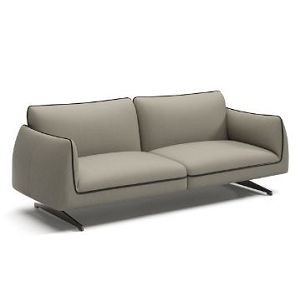
Don’t sleep on the silhouette, either. Mediterranean sofas aren’t boxy, sharp, or overly structured. They have soft lines, maybe a slight curves on the arms, and low to medium backs that don’t block the flow of light. This is key because natural light is central to Mediterranean design. If your sofa is too high-backed, it will cut off light from windows or glass doors, which are often a big feature in these homes. A low, padded arm that angles slightly outward is perfect—it’s comfortable for curling up with a book, but it doesn’t compete with the room’s openness. Avoid sofas with tufted details or ornate carvings; those are more aligned with European classic or Victorian styles, not the warm, unpretentious Mediterranean look. I recently designed a display piece for our showroom that has curved, wooden arms and a loose, feather-filled seat cushion, and it’s been our most requested piece for clients building coastal-style Mediterranean homes. It’s simple, functional, and feels like it could have been handed down through generations.
Now, a detail that many homeowners overlook: cushion fill. Mediterranean living is about relaxation, so your sofa needs to feel like you can sink into it after a long day. Foam is too firm and cold, so go for a blend of down and feather, or all feather if you’re willing to do a bit of regular fluffing. The cushions should be loose, not attached permanently to the frame. That way, you can flip them over to even out wear, and if you ever want to rearrange the room, you can move them around. I always advise against solid foam cushions—they don’t breathe well, and in warm climates, they can feel stuffy. Last summer, we supplied a set of feather-filled sofa cushions to a client in Naples, Florida, and they told me that even on the hottest days, the cushions stay cool because they allow air to circulate. That’s the kind of small detail that makes a sofa fit the lifestyle, not just the space.
Color is where you can have fun, but it’s important to stick to the Mediterranean palette. Think of the colors you see along the coast: sky blue, sea foam green, terracotta, sand, and soft, warm whites. You don’t have to pick one color—mixing a light blue sofa with a terracotta throw, for example, can add depth without feeling overwhelming. The key is to keep the base fabric neutral, then add throw pillows or blankets in coastal or earthy shades to tie in the room’s decor. I recommend choosing no more than two accent colors beyond the base—too many and the space will feel cluttered, which is the opposite of what Mediterranean design is about. A client in San Diego recently paired a sand-colored linen sofa with three pillows: one in sky blue, one in soft terracotta, and one with a subtle geometric pattern that mimics old Mediterranean tilework. It was simple, but it made the room feel complete.
Speaking of tile, don’t forget small accessories that complement your sofa. Mediterranean style is full of patterned tiles on floors, backsplashes, or as accents on furniture, so a sofa with a matching pattern—whether on a throw pillow or a subtle woven design—can pull the whole room together. Woven elements are also big: jute or rattan ottomans, wool throws, or even a jute rug under the sofa. These add texture and feel connected to the natural world. I always tell clients that less is more—don’t clutter the sofa with too many pillows. Two or three is enough; it keeps the look relaxed, not overstyled.
Now, let’s talk about practicality. Mediterranean homes often have open floor plans, so your sofa needs to fit the space without making it feel cramped. Measure your room before you buy, and leave at least three feet of space between the sofa and any walls or other furniture. If you have a small living room, a loveseat or a compact sofa with a thin frame is better than a large sectional. Sectionals can work if the room is big enough, but they can feel bulky. I once supplied a small L-shaped sectional to a client in a 1,200-square-foot home, and we worked with them to choose a low-profile frame so it didn’t take over the space. It still gave them enough seating for guests, but it didn’t block the flow from the kitchen to the courtyard.
Maintenance is another factor. Mediterranean homes are often in warm, dry or coastal climates, so your sofa needs to hold up to that. If you’re in a humid area, avoid fabrics that can mildew, like unwashed linen? No, wait, washed linen is actually more moisture-resistant than raw linen. Just make sure to have a stain protector applied, especially if you have kids. We always offer a complimentary stain protector for all our sofas, because we know how important it is for families. If you have a teak frame, you can treat it annually with a wood oil to keep it looking weathered, which adds to the charm. I’ve had clients who left their teak sofa untreated for three years, and it developed a beautiful silver-gray patina that looked even better than the original finish. It’s those little, lived-in changes that make the space feel personal.
I’ve been in this sofa supply business for over a decade, and the number one mistake I see homeowners make is choosing a sofa that’s too modern or too ornate for their Mediterranean living room. Mediterranean style is about warmth, comfort, and connection to the outdoors. Your sofa shouldn’t be a showpiece—it should be a place where you gather, laugh, and relax with family and friends. When you pick a natural wood frame, soft linen fabric, a low silhouette, and gentle colors that match the coast, you’re not just buying a sofa. You’re creating a space that feels like a part of the Mediterranean, right in your own home.
If you’re ready to find the perfect sofa for your Mediterranean-style living room, our team is here to help. We work with clients to custom design pieces that fit their space, their lifestyle, and their vision. Whether you need advice on fabric choices, frame materials, or even how to style the sofa with the right accents, we’re here to walk you through every step. Reach out to our team to start a conversation about your project—we can’t wait to help you create a living room that feels like a sunlit escape, just like you’ve always wanted.
Coffee Tables References
- Brown, E. (2021). Mediterranean Interior Design: A Guide to Timeless Warmth and Natural Style. Lifestyle Press.
- Garcia, M. (2022). Furniture for Coastal Living: Materials and Silhouettes That Work. Home Decor Journal.
- Torres, L. (2020). Sustainability in Upholstery: Choosing Natural Fabrics for Warm Climates. Eco Home Magazine.
- Wilson, J. (2019). Measuring and Selecting Sofas for Open Floor Plans. Space Design Quarterly.
Zhejiang Runcell Science and Innovation Furniture Manufacturing Co., Ltd.
We’re known as one of the most reliable sofas manufacturers and suppliers in China. We warmly welcome you to buy customized sofas made in China here from our factory. If you have any enquiry about quotation, please feel free to email us.
Address: Nanxun District, Huzhou City, Zhejiang Province
E-mail: Runcellwm@163.com
WebSite: https://www.cnruncell.com/
