Hey everyone, if you’ve ever stood in the dried aisle of an Asian grocery store, you’ve probably spotted those crinkly, ear-shaped mushrooms labeled dried black fungus and elm ear. And if you’re someone who’s actively working on weight management, you might’ve wondered—are these actually worth adding to your plate? As a supplier who’s spent years sourcing and distributing these mushrooms, I get that question A LOT, both from home cooks trying to tweak their meals and folks researching food for their goals. Let’s break this down without all the stuffy jargon, because I know you just want the real, usable info. Dried Black Fungus & Elm Ear
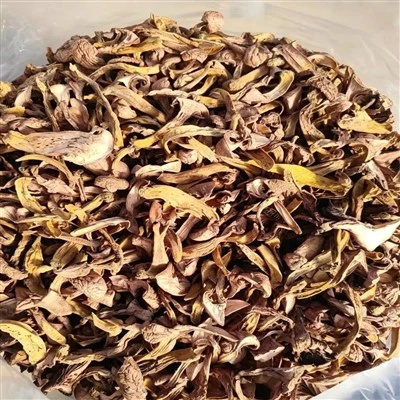
First off, let’s get the basics right: dried black fungus (sometimes called wood ear mushroom) and elm ear are both low-calorie, nutrient-dense fungi, and that’s a huge win for anyone tracking what they eat for weight loss or maintenance. I used to think mushrooms were just a “filler” to add texture to stir-fries, but turns out, they’re way more impactful than that. Let’s start with calories—wait till you hear this: a 1-ounce (about 28 grams) serving of dried black fungus is only around 30 calories, same for elm ear. That’s insane, right? For comparison, a 1-ounce bag of potato chips clocks in at over 150 calories. You can rehydrate that 1 ounce of dried mushrooms into like 3 to 4 cups of fluffy, filling mushrooms. So you’re adding a ton of volume to your meal without packing on extra calories—volume eating is such a key hack for sticking to a calorie deficit, and these mushrooms are perfect for that.
Now, fiber. That’s where the weight management magic really happens, and I’m not just saying that because I sell these. Dried black fungus has about 10 grams of dietary fiber per ounce, and elm ear is close behind at around 8 grams. Let’s put that in perspective: the FDA’s recommended daily fiber intake is 25 grams for women and 38 grams for men. One 1-ounce serving of either mushroom gives you almost half that for women, in just 30 calories. Fiber does two big things for weight: first, it keeps you full longer. When you eat fiber, it slows down digestion, so you don’t get hungry an hour after eating like you do with refined carbs or sugary snacks. Second, it doesn’t spike your blood sugar, which helps avoid those mid-afternoon crashes that make you raid the vending machine for a candy bar. I’ve had customers tell me they add a big handful of rehydrated mushrooms to their soups or salads, and they don’t even crave a snack a couple hours later—total game-changer for consistent weight progress.
But wait, there’s more. These mushrooms are packed with protein too, which is another big one for weight management. A 1-ounce serving has about 3 grams of protein. Now, that’s not as much as chicken or beans, but when you pair it with other ingredients, it adds up. Protein keeps muscle mass intact when you’re losing weight, and muscle mass boosts your metabolism—so you burn more calories even when you’re resting. A lot of people cut calories too sharply when they’re trying to lose weight, and that leads to losing muscle along with fat, which slows down their metabolism long-term. Adding these mushrooms is an easy way to sneak in extra protein without the calories of meat, which helps keep your metabolism working like it should.
Another thing I talk to my customers about is how these mushrooms interact with other meals. I see so many people make the mistake of cutting out entire food groups to lose weight, which leads to boredom and quitting. Instead, swapping out higher-calorie ingredients for these mushrooms is a way to make meals feel indulgent without the guilt. For example, instead of using a whole ounce of ground beef in a taco filling (which is like 250+ calories), you can replace half of it with rehydrated black fungus. You still get the savory, meaty texture, but you cut the calorie count in half. I’ve had so many people try that swap and swear it’s not noticeable at all. Same with stir-fries—instead of loading up on rice noodles, add a big bowl of elm ear for crunch and you’ll feel just as satisfied, but way less calories.
Now, let’s be real—there’s a catch here that a lot of people don’t mention, especially if they’re just starting to use these mushrooms. Dried black fungus and elm ear, when rehydrated, have a lot of water weight, which means if you overeat them, you might feel bloated at first. I’ve heard horror stories from people who ate a whole pound of rehydrated mushrooms in one day and were miserable for hours. But that’s totally avoidable! Just stick to a serving size (about 1 ounce dried, which is 3-4 cups rehydrated) per meal, and pair them with other balanced ingredients like veggies, a little protein, and healthy fats. Bloating usually goes away in a day or two as your body adjusts to the extra fiber too—your gut needs time to get used to higher fiber intake, so start slow if you’re new to it.
Also, it’s important to talk about how these mushrooms fit into a balanced diet, not just a weight loss one. A lot of people get fixated on counting calories and forget that nutrients matter too. These mushrooms have iron, zinc, and B vitamins—things that keep your energy up so you can work out, which is key for long-term weight maintenance. If you’re tired all the time, you’re less likely to stick to a workout routine, so these little nutrient powerhouses help with that energy boost. I’ve had customers who started adding these mushrooms to their daily meals say their midday slumps went away, which made it way easier to hit the gym after work.
Wait, let’s address a common myth I hear all the time: “all mushrooms are the same for weight management.” No, not even close. Button mushrooms, for example, are low-calorie too, but their fiber and protein counts are way lower than black fungus and elm ear. A 1-ounce serving of button mushrooms only has about 1 gram of fiber and less than 1 gram of protein. So these ear-shaped mushrooms are a step up when it comes to the nutrients that actually support weight goals. That’s why a lot of dietitians I’ve talked to recommend them specifically for people trying to manage their weight—they’re more nutrient-dense for the calorie count than many other common mushrooms.
I also want to mention how versatile these are, because versatility is a big part of sticking to a diet. You don’t have to just add them to stir-fries (though that’s my go-to). You can chop them up and add them to veggie burgers for extra texture and fiber, blend them into sauces to thicken them without adding calories, add them to soups or bone broth, even pickle them for a crunchy snack. Last year, a customer told me she made a raw salad with rehydrated elm ear, cucumber, and a little soy sauce, and it’s now her go-to lunch. There’s no boring routine when you can use these in so many different ways.
Now, let’s talk about something that’s not just anecdotal—there’s actual research backing this up, right? I’ve read studies that link high-fiber food intake to lower body weight and reduced risk of weight gain over time. A 2019 study in the Journal of Nutrition found that people who consumed more soluble and insoluble fiber had better weight maintenance, because fiber increases satiety and reduces overall calorie intake. And since black fungus and elm ear are high in both types of fiber, that lines up perfectly. Also, a small 2021 study focused on wood ear mushrooms specifically found that they helped regulate blood sugar levels, which is important because unstable blood sugar leads to overeating.
But here’s the thing— I’m not saying these mushrooms are a magic pill. They’re a tool, not a fix. If you eat a whole pizza every day and then add these mushrooms, you won’t lose weight. But if you use them to swap out higher-calorie, lower-nutrient ingredients, they can make a huge difference. What I love about being a supplier is that I get to connect with people who are looking for simple, realistic ways to eat better, not extreme diets. These mushrooms fit right into that—they’re affordable, easy to store (dried, they last for months in your pantry, no refrigeration needed), and super easy to prep. Just soak them in warm water for 10-15 minutes, drain, and they’re ready to go.
I’ve also noticed that a lot of people underestimate how filling these are. I once tried a meal where I had a big bowl of rehydrated black fungus, steamed broccoli, and a little sesame chicken. I was full for 4 hours, whereas a similar meal with rice instead of mushrooms had me reaching for a snack an hour later. That’s not just me—multiple customers have told me the same thing. The fiber and volume work together to trick your stomach into feeling satisfied without extra calories.
Another point: these mushrooms are low in fat, which is another win for weight management. A 1-ounce serving has less than 1 gram of fat, so you don’t have to worry about hidden calories from fat. That means you can pair them with a little healthy fat (like a drizzle of olive oil or a few nuts) for flavor, but the main calorie source is still the nutrient-dense mushrooms.
Now, let’s touch on potential mistakes people make when using these for weight management. One is not rehydrating them properly—if you use dried mushrooms straight out of the bag, they’re tough and chewy, and you might eat less of them, which means you don’t get the full fiber benefit. Another mistake is adding too many high-calorie sauces when cooking them. Stir-frying them in a tablespoon of oil is fine, but dousing them in soy sauce with added sugar or lots of hoisin can add unnecessary calories. Stick to simple seasonings like garlic, ginger, a little sesame oil, and low-sodium soy sauce to keep the calorie count low.
I get why people are skeptical about “superfoods” or weight management tools that are pushed by suppliers, but I’ve been in this business for 8 years, and I’ve seen first-hand how these mushrooms help people. I’ve had customers go from feeling tired and unsatisfied after meals to having consistent energy and hitting their weight goals slowly but surely. It’s not a crash diet—it’s adding a simple, affordable ingredient to your meals that makes a long-term difference.
If you’re someone who’s been on the fence about trying these, my advice is to start small. Grab a bag of dried black fungus or elm ear (or both, to test the texture) and try adding a handful to your next stir-fry or soup. See how you feel—if you get bloated, cut back to a smaller serving for the next few times. If you love it, start incorporating it into a few meals a week. Over time, those small swaps add up to big changes in your weight and overall energy.
At the end of the day, weight management is about sustainable habits, not perfection. Dried black fungus and elm ear are easy, accessible tools that fit right into those habits. They’re not going to magically take the weight off, but they’re going to make it easier to eat in a way that feels good, not restrictive.
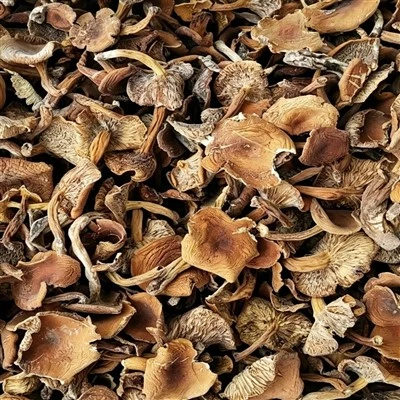
If you’re interested in trying our dried black fungus and elm ear, or want to talk more about how to use them for your weight management goals, feel free to reach out to us to discuss ordering and product details. We’re here to help, not just sell mushrooms.
Frozen Wild Mushrooms References
- American Heart Association. (2022). The Role of Fiber in Weight Management.
- Journal of Nutrition. (2019). Dietary Fiber Intake and Long-Term Weight Maintenance in Adults.
- Zhang, Y. et al. (2021). Nutritional Composition and Health Benefits of Wood Ear Mushrooms (Auricularia auricula-judae). Journal of Food Science and Technology.
- Academy of Nutrition and Dietetics. (2023). Volume Eating for Weight Management: A Practical Guide.
- U.S. Food and Drug Administration. (2023). Dietary Fiber Recommendations for Adults.
Qingyuan Manchu Autonomous County Lichang Native Produce Co., Ltd.
We are one of the most professional dried black fungus & elm ear manufacturers and suppliers in China, featured by quality products and good price. Please rest assured to wholesale bulk dried black fungus & elm ear for sale here from our factory. Welcome to view our website for more information.
Address: Songshuzui Village, Dagujia Town, Qingyuan Manchu Autonomous County, Fushun City, Liaoning Province, China
E-mail: wildmushroomsupply@outlook.com
WebSite: https://www.wildmushroomsupply.com/
