Hey there, if you’ve ever wondered how big farms get their hay ready for storage, or how food processing plants turn tons of veggies into shelf-stable snacks without ruining their flavor, you’ve probably crossed paths with an industrial dehydrator — even if you didn’t know what it was. I’ve been working in the drying machinery game for over a decade now, and let me tell you, it’s way more than just a fancy version of the small countertop dehydrator you might see on TikTok. Let’s break this down like I’m explaining it to a buddy over a coffee, no stuffy jargon allowed. Drying Machinery
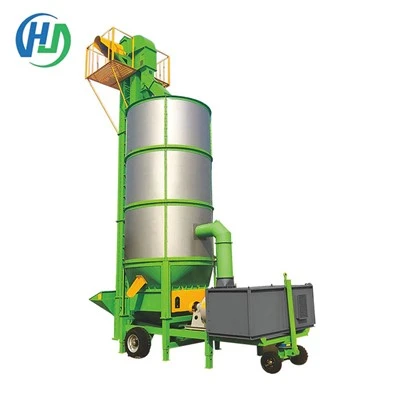
First off, let’s get the basics straight. An industrial dehydrator drying machinery is a large-scale, purpose-built system designed to pull moisture out of materials on a commercial level — way bigger than the one you use at home for making beef jerky or fruit leather. Those home units are neat, but they can only handle a few trays at a time, and they’re not built to run 12+ hours a day, 7 days a week, 50 weeks a year. Industrial dehydrators? They’re workhorses. They handle bulk loads, consistent output, and they’re engineered to keep the quality of whatever you’re drying from dropping halfway through the process.
Wait, let’s make that concrete. If you’re a potato chip manufacturer, you can’t just toss 100 pounds of raw potatoes into a closet and run a small fan. You need something that can dry a whole truckload of sliced spuds evenly, control the temperature so they don’t burn, and pull out exactly the right amount of moisture so they crisp up perfectly every time. That’s where our industrial dehydrators come in. We tailor them for different materials, because drying lumber is totally different from drying fish, or herbs, or even municipal sludge (yeah, that’s a real use case — we’ve got clients who use our gear to turn sewage waste into fertilizer-compatible dry solids).
Now, how do these bad boys actually work? Let’s skip the textbook definition and keep it real. The core idea is simple: heat + air flow = moisture removal. But the engineering behind it? That’s where the magic (and the difference between a good dehydrator and a dud) happens. Most industrial dehydrators use what’s called “convection drying” — that’s just a fancy way of saying you heat air and blow it over the wet material. Some systems use direct heat (gas burners right in the air stream), others use indirect heat (heating elements or hot coils that warm the air without letting any exhaust fumes touch the product) — that’s super important for food or pharmaceutical stuff, because you don’t want gas byproducts contaminating your ingredients.
There are a bunch of different types, too, and we pick the right one for each client’s needs. For example, if you’re drying grains or pellets that need to move through the system continuously, you’d use a conveyor belt dehydrator. The wet material goes on the belt, slowly moves through a long, insulated tunnel, and the hot air blows across it from top and bottom. It’s efficient, hands-off, and perfect for high-volume stuff. Then there’s batch dehydrators — these are for smaller operations that don’t need 24/7 continuous drying, or for materials that are tricky to handle in a flow-through system, like whole herbs or fragile fruit slices. You load a chamber with the material, seal it up, run the heat and air until it’s dry, then unload it all at once.
We also have vacuum dehydrators, which are a game-changer for heat-sensitive stuff. Think coffee, or probiotics, or certain medical ingredients that can break down if you heat them too hot. Vacuum dehydrators lower the pressure inside the chamber, which means water evaporates at a much lower temperature (like 100°F instead of 212°F). So you get all the moisture out without damaging the product’s quality, flavor, or nutrients. A lot of specialty coffee roasters we work with use these to get that concentrated, rich flavor without roasting the beans too hard.
Here’s the thing people don’t always talk about when they first ask “what’s an industrial dehydrator”? It’s not just a dryer. It’s a system that has to be reliable. If your drying line goes down for an hour during peak harvest season, that’s thousands of dollars in lost produce, or delayed shipments, or even spoiled stock. That’s why we design our dehydrators with things like variable speed fans, temperature and humidity sensors that auto-adjust, and easy-access parts so our clients can do quick maintenance without calling in a technician every time. We also build in exhaust systems that filter out dust and particulates, which is not just good for the environment — it keeps the air clean for the workers operating the gear, and it prevents fire hazards, especially with stuff like grain or wood dust.
Let’s throw in a real client example to make this tangible. A couple years back, we worked with a family-owned fish processing company in Alaska. They were struggling with how to dry salmon for their jerky and smoked salmon lines. Their old setup was a bunch of space heaters and fans in a big warehouse, and the drying times were all over the place — some batches would take 3 days, others would get moldy before they finished. We installed a batch-style industrial dehydrator with indirect heat and humidity controls. Now their drying time is consistent, down to 24 hours per batch, their product has way less waste, and they can scale up to meet demand from national grocery chains. That’s the stuff that makes our job worth it.
Another big use case is in the wood industry. Kiln-dried lumber is non-negotiable for construction, furniture making, and even things like guitar building. If you leave wood too wet, it warps, cracks, or attracts pests. Industrial dehydrators (here, they’re often called kilns, but same family) control the humidity as well as the temperature, so the wood dries evenly from the inside out. We’ve had clients who make custom acoustic guitars tell us that our dehydrator’s consistent drying helps them get the perfect tone retention — that’s pretty crazy, right? A drying machine affecting how a guitar sounds.
Wait, let’s address the elephant in the room: why not just use a regular oven for large batches? Ovens aren’t designed for continuous, even air flow across a huge surface area. They can have hot spots, so some parts of the material dry faster than others, leading to uneven product. Also, industrial dehydrators are way more energy-efficient. A lot of them have heat recovery systems that capture the hot exhaust air and reuse it to pre-heat incoming fresh air, cutting energy costs by 30-50% compared to old-style drying systems. For a high-volume operation, that adds up to tens of thousands of dollars a year in savings.
Now, if you’re reading this and thinking “hey, I’ve got a business that could use one of these, but where do I start?” — that’s where we come in. We don’t just sell you a dehydrator and walk away. First, we’ll sit down with you and talk about what you’re drying, how much you need to process, your budget, and any specific needs you have (like food safety standards, or space constraints). We can test your material in our in-house lab to figure out exactly what temperature, air flow, and cycle time you need. Then we’ll design a custom system that fits your operation, not just a one-size-fits-all machine. We handle installation, training your team on how to run and maintain the gear, and we’re here for any support after that, whenever you need it.
At the end of the day, an industrial dehydrator drying machinery is a workhorse that connects raw materials to finished products. It’s what keeps food fresh longer, makes lumber strong enough to build houses, turns byproducts into useful materials, and helps all kinds of businesses scale without sacrificing quality. If you’re ready to upgrade your drying process, or just want to learn more about how a system like this could work for your operation, we’re here to chat. Whether you’re a small local operation or a large national brand, we can help you find the right solution that fits your needs.
If you have any questions or want to discuss your specific drying needs, don’t hesitate to reach out and connect with our team to start the conversation about your next industrial drying system.
Grain Steel Silo References
- Mujumdar, A. S. (2014). Industrial Dehydration: Principles, Applications, and Performance. CRC Press.
- Perry, R. H., & Green, D. W. (2008). Perry’s Chemical Engineers’ Handbook (8th ed.). McGraw-Hill.
- Food and Agriculture Organization of the United Nations (FAO). (2019). Industrial Drying of Agricultural Products: A Practical Guide. FAO Publishing.
Henan Huinong Machinery Co., Ltd.
Henan Huinong Machinery Co., Ltd. is one of the most professional drying machinery manufacturers and suppliers in China, featured by quality products and low price. Please rest assured to buy discount drying machinery from our factory. We also accept customized orders.
Address: No.6, Northeast Corner of the Intersection of Renmin Road and Zhujiang Road, New District, Huaxian County, Henan Province
E-mail: frank.tang@huinongmachinery.com
WebSite: https://www.huinongmachinery.com/
