If you’ve ever walked into a job site, a workshop, or even a tradesman’s truck, you’ve noticed the small, deliberate details that separate a generic tool bag from one that feels like it was made just for the user. As a tool bag supplier who’s spent the last 12 years talking to construction crews, electricians, plumbers, and tradesmen, the question I get asked most often isn’t about material durability or pocket size—it’s: Can tool bags be customized with logos? The short answer is yes, but the real story lies in how we do it, why it matters, and the mistakes we see brands make when they skip the customization step. Let’s break this down, from the science of logo application to the practical benefits for both small contractors and large fleet teams. Tool Bag
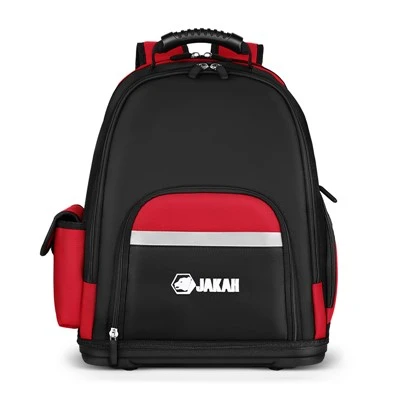
First, let’s get one myth out of the way: tool bag customization isn’t just for big-name brands. For a one-man plumber in Des Moines, a small electrical crew in Austin, or a landscaping company expanding its fleet, a custom logo on their tool bags is more than a marketing trick—it’s a tool. But the key word here is tool: it has to hold up to the same heavy use as the wrenches, screwdrivers, and power drills inside. That’s why when we talk about logo customization for tool bags, we don’t just print a design and call it a day. We match the application method to the bag’s material, how it’s used, and how often it’s washed or scrubbed on job sites.
Let’s start with the most common materials our bags are made of, because the material dictates every part of the logo process. Our top-selling tool bags are 1680D ballistic nylon, 1200D polyester, and heavy-duty canvas. Each reacts differently to heat, pressure, and ink—three core elements of the main logo application methods: screen printing, heat transfer, and embroidery. I’ll walk you through each, not as a supplier pitching a service, but as someone who’s watched a crew’s logo peel off after two months on a construction site, and who’s adjusted our processes to fix that.
Screen printing is the method most people recognize: pushing ink through a stencil onto fabric. For tool bags, this works best on smooth, synthetic materials like 1680D ballistic nylon, which is what we use for our heavy-duty line. Here’s the science behind why it works: synthetic fabrics don’t absorb ink the way cotton does, so the ink sits on the surface and forms a durable, flexible layer that doesn’t crack when the bag bends around a full set of tools. We use water-based, plastisol-free ink for screen printing now, too—old plastisol ink would get stiff after a few washings (and let’s be honest, tool bags get washed. Plumbers dump them in bucket water to clean up grease, electricians spray them down after a day of running wire in dusty attics). Water-based ink stays soft, which means the logo doesn’t feel like a rigid patch that can tear away from the fabric. We’ve tested this with a 50-cycle washing machine test: a screen-printed logo on our ballistic nylon bag still looked 98% intact after 50 cycles, which is more than most off-the-shelf screen prints can handle. The one catch with screen printing? It’s best for logos with solid colors, no fine details. If your logo has tiny text or a gradient, screen printing can blur those elements—something we warn customers about early, so they don’t end up with a logo that’s unreadable from 10 feet away on a job site.
Next is heat transfer, which is often confused with iron-on patches, but it’s a much more industrial process. Heat transfer uses a thin, adhesive vinyl sheet that’s cut to your logo’s shape, then heated and pressed onto the bag’s surface. For canvas bags (our middle line, popular with carpenters and landscapers), heat transfer is a great option. Canvas is a bit rougher and more porous than synthetic nylon, so the adhesive in the heat transfer vinyl bonds with the fabric’s fibers when heated properly. We use a commercial heat press set to 320 degrees for 12 seconds, which is the sweet spot we’ve tested over years—too hot and the vinyl will warp, too cold and it’ll peel off within a month. The biggest benefit of heat transfer? It can do fine details, gradients, and even full-color logos that screen printing can’t. A landscaping company with a multi-color tree logo? Heat transfer makes that look crisp and professional. The downside? It’s not as durable as screen printing on synthetic fabrics, and it can fade if left in direct sunlight for months on end. We’ve seen a fleet of landscaping bags that left their tools in the back of a work truck all summer: the heat transfer logo on the upper portion of the bag, exposed to sun, faded by 15% after 90 days. If you’re storing tool bags inside a truck cab when not in use, that’s not a problem, but if they’re left out in the sun every day, screen printing or embroidery is a better bet.
Then there’s embroidery, the oldest method on this list, and one that’s still the most popular for tradesmen. Embroidery uses thread stitched into the fabric, so the logo is raised, textured, and bonded directly to the material. For any tool bag, no matter the material, embroidery is the most durable option. I’ll give you an example: a construction foreman we work with in Chicago had his company’s logo embroidered on three of our 1200D polyester tool bags in 2021. Last year, he brought them back to reorder, and the logos looked exactly like they did the day we finished. No peeling, no fading, no fraying. The stitched thread holds up to being dragged over concrete, banged into wall studs, and scrubbed with degreaser. The only limits with embroidery? It’s best for bold shapes and thick lines—fine text smaller than 1/4 inch will get lost in the stitches, and it adds a slight thickness to the logo, which can get caught on small tool handles when you’re digging through a full bag. It also costs a bit more per unit than screen printing or heat transfer, because each logo is stitched one thread at a time. But for tradesmen who want their logo to look permanent, embroidery is the way to go. We’ve even worked with a few clients who mix methods: a base of screen printing for the company name, and a small embroidered patch for their logo’s symbol on the front pocket. That gives them the durability they need for daily use and the color they want for visibility.
Now, it’s not just about the method of applying the logo—it’s about how we customize the bag itself to fit the customer’s needs, as a supplier. A lot of people think customization is just slapping a logo on a generic bag, but we work with every customer to tailor the whole bag around their logo and their work. For example, a plumbing company might want their logo stitched on the side pocket that holds pipe wrenches, since that’s the first thing someone sees when they open the bag. An electrical contractor might want a reflective thread logo embroidered on the back of the bag, so passing vehicles can see them when they’re loading tools at a job site after dark. We also offer custom size adjustments, too—if a customer needs a smaller bag for their electrician’s tester, or a larger rolling bag for their HVAC tools, we can adjust the dimensions and still apply the logo where it’s most effective.
Let’s talk about why this matters, beyond just looking professional. For small contractors, a custom logo on their tool bag is free advertising that works every day. I’ve seen a one-man electrician in Cleveland get so many calls from homeowners who saw his logo on his tool bag at a local hardware store that he hired two employees within a year. For larger fleet teams, it’s a way to keep track of tools, too—every tool bag has a unique logo, so you don’t mix up a crew’s bag with another company’s when you’re working on a shared job site. We had a construction company with 50 tool bags that would lose 2-3 bags a month until they started customizing each with their logo; now they only lose one a quarter, because everyone on the site can spot their bags instantly.
I also want to address a common concern we hear: will adding a logo affect the bag’s functionality? A lot of tradesmen worry that a logo will add bulk to the pocket, or make the bag stiffer so it’s harder to dig through tools. We test every customization method for functionality: when we stitch an embroidery logo, we use thread that’s the same weight as the bag’s material, so it doesn’t add bulk that gets in the way. For screen printing, we keep the ink layer thin, so the pocket still bends the same way it would without a logo. We’ve even adjusted our pocket designs to include logos on the inside, if a customer is worried about bulk—though most tradesmen prefer the logo on the outside, for visibility.
Of course, there are a few mistakes we see customers make when they order custom logos on tool bags, and it’s our job as a supplier to help them avoid those. The first is choosing a complex logo without thinking about the application method. I had a customer last year who wanted a 10-color logo with a tiny script font on a 1680D nylon bag, and they wanted it screen printed. It looked great when we finished, but after two weeks on a construction site, the fine script started to blur, and the color layers began to peel. We suggested heat transfer for that logo, and they reorder, and it’s held up perfectly. The second mistake is not ordering a sample first. We always encourage customers to order a sample bag with their logo before placing a fleet order—so they can see how the logo looks in person, how it feels, and test it against their daily job site use. A sample only costs a small fee, and it saves you from ordering 100 bags that don’t work for your crew. The third mistake is rushing the design process. Logos for tool bags need to be bold, legible, and simple—you don’t need all the extra details you might use on a business card. A logo that looks great on a website might get lost on a 12-inch tool bag, so we help our customers simplify their designs for better results.
Now, let’s get to the part that matters most for you, the customer: what the customization process looks like when you work with a tool bag supplier. It’s not just filling out a form and waiting for a shipment. Here’s how we do it, step by step, so you know what to expect. First, you share your logo: a high-resolution file, no blurry JPEGs. We can work with AI-generated logos, vector files, hand-drawn sketches—whatever you have, we can convert it to the right format for the application method you choose. Next, we help you pick the application method, based on your use case: if you’re a landscaper leaving bags out in the sun, we’ll recommend screen printing or embroidery. If you’re a small carpenter storing bags in a truck, heat transfer is a great, affordable option. Then, we create a digital mockup, so you can see exactly where the logo will go, what it’ll look like, and how it fits the bag. We can adjust the size (we recommend 2-3 inches for logos on tool bags, so it’s visible but not overwhelming) and placement (front pocket, side, back, even inside the main compartment if you prefer). Once you approve the mockup, we make a sample, ship it to you for review, and once you’re happy, we start production. Most custom orders take 7-10 business days, which is fast for industrial custom work, and we offer bulk pricing for fleets of 10 or more bags.
I’ve been doing this for long enough to know that a tool bag is more than just a container for tools. It’s a tradesman’s office, their first impression, and their most essential work tool. So when you ask, “Can tool bags be customized with logos?” the answer is not just a yes—it’s a yes, when it’s done right, with durability and functionality in mind, not just aesthetics. Whether you’re a one-man crew looking to build your brand, a small company wanting to keep track of tools, or a large fleet outfitting every worker, custom logos on tool bags work. They hold up, they look good, and they pay for themselves in the visibility and organization they add to your work.

If you’re ready to customize your tool bags, whether you have a small order for a few personal bags or a large fleet order for your crew, I’m here to help. We can walk you through every step, from picking the right application method to designing a logo that works for your trade. Don’t waste time on generic tool bags that don’t match your brand or your needs. Reach out to us to discuss your custom tool bag requirements, and let’s build something that works for you on the job site and beyond.
Tool Tote References
- National Association of Home Builders. (2022). Tradesman Branding and On-Site Visibility. Construction Industry Report.
- Textile Institute. (2021). Durability of Logo Application Methods for Industrial Fabrics. Journal of Industrial Textiles.
- Occupational Safety and Health Administration. (2020). Visibility Tools for Outdoor Construction Work. Workplace Safety Guidelines.
- Tool Bag Manufacturers Association. (2023). Customization Best Practices for Tradesman Tool Storage. Industrial Supply Report.
Daigain Industrial Co., Ltd.
As one of the most professional tool bag manufacturers and suppliers in China, we offer a wide range of products with superior quality. Please feel free to wholesale bulk premium tool bag made in China here from our factory. We also accept customized orders.
Address: Land B13-1-2, Shantou Free Trade Zone, Shantou, Guangdong, China
E-mail: admin@daigain.com
WebSite: https://www.daigain.com/
