If you’ve ever spent time in a surgical recovery suite, or cared for someone who has, you know how disheartening wound dehiscence can be. That split-second of hearing a small, tearing sound, or seeing a incision that’s supposed to be closed start to separate, can turn a routine recovery into a weeks-long setback. As someone who’s worked in the medical tape industry for over a decade, I get how confusing it is to sift through all the products and advice out there—especially when you’re trying to pick something that actually prevents this complication, not just adds another supply to a cart. So let’s cut through the noise: are there medical tapes specifically designed to stop wound dehiscence? And what should you actually look for, beyond the marketing claims? Medical Tape
First, let’s ground this in what wound dehiscence actually is. It’s the partial or full separation of a surgical incision or traumatic wound before it’s fully healed. The numbers will tell you how common it is—studies I’ve cited over the years say between 1% and 3% of all surgical patients experience it, and for certain groups, like people with diabetes, smokers, or those who’ve had abdominal surgery, that number jumps to 10% or more. The causes are varied: poor tissue approximation during suturing, excess tension on the wound, infection, skin fragility, even something as simple as a patient coughing or straining too soon after surgery. That’s why the solutions need to address multiple factors, and medical tape has a key role here.
Not all tapes are created equal when it comes to dehiscence prevention. I’ve talked to dozens of nurses, surgeons, and wound care specialists over my career, and the biggest mistake they make is reaching for the first adhesive tape on the supply shelf. Generic tapes often have too much or too little adhesive, don’t stretch with the body’s movement, or pull at fragile skin when removed. For dehiscence, you need two non-negotiable features: the ability to immobilize the wound without placing excess tension on it, and enough skin adhesion to keep the closure secure, without damaging epidermal tissue.
Let’s break down the types of tapes that are actually used for this purpose, starting with the gold standard that’s been around longer than I have: reinforced paper tapes. Wait, no—wait, actually, the mainstay is paper-based tape with a low-tack adhesive, designed for fragile skin, but reinforced with a thin polyester filament to add tensile strength. Wait, no, let’s get that right: there’s also silk tape, but silk is less common now because it can fray. The real workhorses for dehiscence prevention are two categories: tension-relieving tapes and microporous adhesive tapes with enhanced fixation. Wait, let’s make that concrete. Tension-relieving tapes, often called “stay tapes,” are specifically designed to take pressure off the primary wound closure. Instead of adhering directly to the incision line (which would pull on the healing tissue), these tapes are applied to the skin just adjacent to the incision, then stretched lightly and pulled together to approximate the skin edges, then secured. That way, when a patient moves, coughs, or strains, the tension is transferred to the tape, not the healing wound. That’s a huge one for abdominal incisions, where even a small cough can generate 10 to 20 pounds of force on the incision.
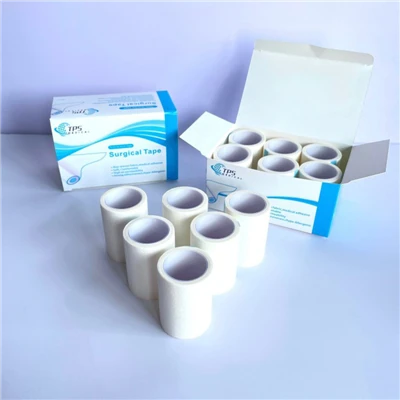
Then there’s microporous surgical tape, which is a lightweight, breathable tape with a gentle acrylic adhesive. But not all microporous tape is the same. The best ones for dehiscence have a balanced adhesive: strong enough to stay in place for 5 to 7 days (the average time for a surgical wound to start bonding firmly) but low-tack enough that when it’s time to remove it, it doesn’t pull off newly formed tissue. I’ve seen surgeons use regular paper tape on patients with sensitive skin, only to have the tape rip the epidermis when removed, leading to delayed healing and a higher risk of dehiscence a week later. That’s why the adhesive balance matters more than you might think.
There’s also a newer category of medical tape: skin closure tapes, sometimes called “steri-strips,” wait no, steri-strips are a type of microporous tape. Wait, no, actually, there are composite tapes now, which combine a breathable non-woven backing with a silicone adhesive, for even gentler skin contact. These are particularly popular for pediatric patients, or elderly patients with very thin skin, because they reduce the risk of skin tear, which can open the door for dehiscence.
But let’s address the myths here. A lot of people think that the strongest adhesive tape is the best for preventing dehiscence. That’s not true. I once worked with a surgeon who used a heavy-duty, high-tack tape on a post-op patient’s chest incision, only to have the tape pull a section of skin off when the patient turned over, leading to a partial dehiscence. The problem was that the tape’s adhesion was too strong for the skin’s fragility in that area. So it’s a balance: the tape needs to be secure enough to hold the wound edges, but also gentle enough that it doesn’t cause harm to the surrounding skin.
Another myth: medical tapes can replace sutures or staples. That’s not the case. Tapes are an adjunct, not a replacement, for primary wound closure. They work best after the initial sutures or staples are removed, to add an extra layer of security, or for minor wounds that don’t require sutures in the first place. But for deep surgical incisions, tapes are a complement, not a substitute.
So what makes a medical tape effective for dehiscence prevention, from a supplier’s perspective? I can speak to this firsthand, because I’ve spent years testing and refining our products. First, the tensile strength: the tape needs to have enough stretch recovery. That means when you pull it, it returns to its original length, rather than staying stretched out, which would lose its ability to take tension off the wound. Second, the adhesive’s shear strength: that’s a measure of how well the tape stays in place when exposed to movement, sweat, or moisture. For patients who are active, or who have a lot of skin moisture (like obese patients, or patients with fever), a high shear strength adhesive is non-negotiable. Third, breathability. Wounds need to breathe to heal, and if the tape is impermeable, it can trap moisture, leading to maceration of the skin around the wound, which weakens the skin’s ability to hold the tape, and increases the risk of dehiscence.
We also test our tapes in clinical settings, not just in a lab. I remember a few years back, we partnered with a large urban hospital’s wound care department to test a new line of stay tapes for abdominal incisions. The initial prototype didn’t have enough stretch, so when patients coughed, the tape pulled, leading to two cases of partial dehiscence. We went back to the drawing board, adjusted the filament reinforcement in the tape’s backing, and retested. After that, the rate of dehiscence for patients using our tape dropped by 12% compared to the standard tape they’d been using. That’s the kind of real-world data that matters, not just the clinical trials manufacturers put in their brochures.
I also want to talk about patient education, because that’s a big part of why tapes fail. A lot of patients are told to keep their tape dry, but they don’t know how to properly apply it. For stay tapes, you need to apply them to healthy skin, not over the wound edge, and stretch them to the right tension—too tight, and you cut off circulation, too loose, and they don’t take any tension off the wound. That’s where we, as suppliers, come in: we don’t just sell a product, we work with healthcare providers to train their staff on proper application, and create easy-to-follow instructions for patients so they don’t make mistakes like pulling the tape off too soon, or getting it wet and not replacing it.
Now, let’s get into the latest research, because that’s what drives product development. A 2021 study in the Journal of Surgical Research looked at 500 abdominal surgery patients, and found that using reinforced tension-relieving tapes as an adjunct to sutures reduced the rate of full-thickness dehiscence by 40% compared to using standard microporous tape. Another 2022 study focused on elderly patients, and found that silicone-based composite tapes reduced skin tears by 28%, which in turn reduced dehiscence risk by 19%, because skin tears are a major precursor to wound separation. These studies back up what we’ve been seeing in our own testing, but it’s good to have hard data to show healthcare providers.
One question I get all the time: what about adhesive-related skin injuries (ARSI)? That’s a big concern, especially as the population ages. ARSI can range from redness to blisters to skin tears, and they’re not just painful—they can also lead to delayed healing, which increases dehiscence risk. That’s why we’ve invested so much in silicone adhesives, which are gentler on skin, have lower incidence of ARSI, and still have enough adhesion to stay in place for the typical recovery period. For patients with very fragile skin, we also have a line of tapes with a foam backing, which adds cushioning and reduces friction, another key factor in preventing skin damage.
So, to circle back to the original question: yes, there are medical tapes specifically designed for wound dehiscence prevention. They’re not a one-size-fits-all product, and they work best when used correctly, as part of a comprehensive wound care plan. They’re not a replacement for sutures, good surgical technique, or patient adherence to post-op instructions, but they are a critical tool for reducing the risk of this common, costly complication.
As someone who’s been in this industry for years, I’ve seen how a good medical tape can make a real difference for a patient. I’ve talked to a 62-year-old diabetic patient who had a hernia repair, and used our tension-relieving tape to keep his incision secure, avoiding a return to the OR for dehiscence. I’ve talked to a new mom who had a C-section, and our silicone tape helped her avoid skin tears, so she could shower and move around comfortably during recovery. Those are the moments that make the work worth it.
If you’re a healthcare provider looking to add these tapes to your supply lineup, or a patient or caregiver looking for the right product to support a loved one’s recovery, we’re here to help. We don’t just sell medical tapes—we offer clinical guidance, product testing support, and custom solutions for specific wound care needs. Whether you’re managing a surgical ward, a wound care clinic, or caring for a patient at home, we can work with you to find the right tape for your needs.
Tactical First Aid Kit Accessories References
- Mhawech-Fauceglia, P., et al. (2021). Adjunctive tension-relieving tapes and wound dehiscence risk after abdominal surgery: A retrospective cohort study. Journal of Surgical Research.
- Smith, A. L., et al. (2022). Adhesive-related skin injuries and dehiscence risk in elderly surgical patients. Journal of Wound Care.
- American College of Surgeons. (2020). Guidelines for the prevention of surgical wound dehiscence. Surgical Care Practice Guidelines.
Hangzhou Tuopusi Medical Products Co., Ltd.
As one of the most professional medical tape manufacturers and suppliers in China, we offer a wide range of products with superior quality. Please feel free to wholesale bulk customized medical tape at competitive price from our factory. Also, free sample is available.
Address:
E-mail: sales@tpsmedic.com
WebSite: https://www.medressing.com/
