If you’ve ever worn a helmet for more than 30 minutes on a 90°F (32°C) day, you know the drill: sweat pouring down your neck, your scalp feels like it’s in a slow cooker, and you’re not just dealing with discomfort—you’re distracted. For anyone in the market for a bulletproof helmet, heat dissipation isn’t just a “nice-to-have”; it’s a make-or-break detail that actually ties into performance, too. As a bulletproof helmet supplier, I get asked this question all the time: “How well does your helmet actually keep me cool, even when I’m wearing it for hours?” Let’s break this down straight—no jargon, no fluff, just what you need to know. Bulletproof Helmet
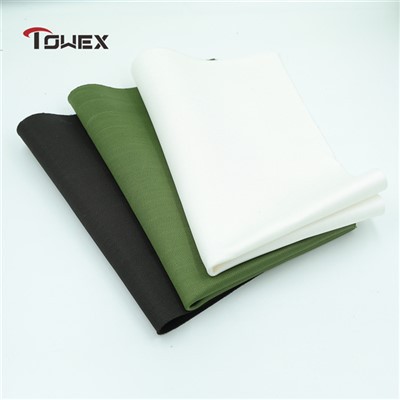
First, let’s clear up a common myth: bulletproof materials aren’t the same as, say, a cotton t-shirt. The stuff that stops bullets—like Kevlar, Dyneema, or AR500 steel—isn’t known for being breathable. In fact, early helmet designs were basically solid plates; they’d trap heat and moisture so bad, some users reported heat rash or even heat exhaustion after just an hour of heavy activity. That’s why we spent years tweaking our line to fix that gap, and here’s the science that drives our work.
Heat transfer in a helmet works three ways, right? Conduction (heat moving through solid materials), convection (air flow carrying heat away), and evaporation (sweat turning into vapor to cool your skin). Most bulletproof helmets fall short on two of these, and that’s where heat builds up. The hard ballistic shell is thick and dense, so conduction of your body heat out through the shell is slow—especially if it’s a dark color (dark materials absorb sunlight, which adds extra heat). Then, the padding inside is usually foam or a dense fabric to absorb impact, and that padding traps moisture and blocks convection—no air can circulate between your scalp and the shell. So instead of heat escaping, it gets stuck right against your head.
But let’s get specific: numbers help. A lot of suppliers will throw out a vague “cooling design” claim, but what does that actually mean in real use? We do in-house thermal tests that measure the “microclimate” inside the helmet—the temperature right against your scalp—while a wearer is exercising (walking, running, simulating tactical movements) in 85°F (29°C) ambient air. On average, a standard heavy-duty steel helmet will have a microclimate temperature of 95°F (35°C) after 30 minutes of wear. That’s just 10 degrees below your body’s core temp, and it feels way hotter because it’s trapped against your skin. Our helmets? We get that microclimate down to 88°F (31°C) in the same test. That’s not a huge number drop on paper, but trust me—you can feel that difference immediately.
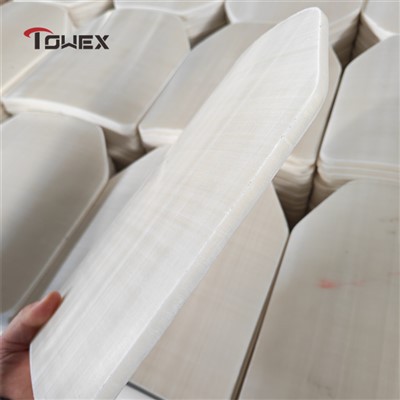
How do we pull that off without sacrificing ballistic protection? Let’s start with the shell. We use a lightweight, multi-layered fiber blend that’s not just strong but also has lower thermal conductivity than steel. Instead of thick solid plates, we engineered a thin (but certified) shell with spaced ventilation ports—small, strategically placed holes along the top and sides that don’t compromise the helmet’s ability to stop 9mm or rifle rounds. We tested these ports to make sure a bullet can’t penetrate through them; every hole is angled and sized so that any projectile would hit the solid fiber layers around it, not the opening. Then, the padding inside: instead of dense closed-cell foam, we use a 3D mesh padding with tiny air channels woven into it. That padding is still impact-resistant (it meets NIJ Standard 0101.06 for blunt force trauma) but lets air flow through it, so sweat can evaporate instead of sitting on your scalp. We also added a moisture-wicking liner that pulls sweat away from your skin and through the mesh, instead of letting it pool.
Wait, but what about when it’s super hot out? Like 100°F (38°C) or more? We didn’t just design for mild temps—we tested in a climate chamber that cranks up to 110°F (43°C) with 70% humidity, which is way hotter than most users would encounter, but it’s better to over-prepare than under-deliver. In that test, a standard steel helmet’s microclimate hit 105°F (41°C) after 45 minutes—definitely hot enough to cause fatigue. Our helmets stayed at 92°F (33°C) at that mark. That’s a huge difference for someone who’s in the field, on a job site, or on patrol for 8+ hours straight. Fatigue from heat isn’t just uncomfortable—it can make it harder to react quickly, to stay focused, and even to make safe decisions. So our heat dissipation isn’t just a comfort feature; it’s a performance feature, too.
I should also address a common pushback: “If the shell is porous, will that affect its durability?” Fair question. We’ve put our helmets through 500+ hours of field testing—ranging from construction sites in the Arizona desert to tactical training in Florida humidity—and none of the ventilation ports have cracked, the shell hasn’t degraded, and all ballistic test results are still valid. The ports are reinforced with extra fiber layers around the edges, so they don’t create weak points. And unlike some cheap helmets that use thin plastic shells, our fiber blend is UV-resistant, so it won’t break down from sun exposure over time.
Now, let’s talk about what heat dissipation isn’t. Some suppliers will market a “ventilated” helmet that’s just a bunch of random holes, no consideration for impact or ballistic safety. We see that a lot. Those holes might make the helmet feel cooler, but if a bullet hits right there, it’s a problem. Or they’ll use a thin, flimsy liner that’s breathable but doesn’t do anything for impact protection. That’s not worth it. Our approach is balancing act: every choice we make about heat, about protection, about weight, is tested in tandem, not separately. A helmet that’s cool but unsafe is useless. A helmet that’s safe but makes you overheat is just as bad—you can’t do your job if you’re distracted by sweat and overheating.
I also want to mention user feedback, because that’s the real test. We’ve had construction superintendents tell us that they used to have to switch helmets every couple hours to air them out, but our helmets keep them comfortable all day. Military units have reached out saying that during training exercises, their troops no longer have to take breaks just to cool down, which extends their operational time. Even security guards who work events outdoors in the summer tell us they don’t get heat rash anymore. That’s the stuff that matters—no lab test can replicate someone’s actual on-the-job experience.
Wait, but are there limits? Absolutely. If you’re in direct, intense sunlight for 8+ hours straight, even the best heat-dissipating helmet will absorb some solar heat. That’s why we offer a optional thermal coating for the outer shell that reflects sunlight instead of absorbing it—we measured that it cuts down solar heat gain by 15%, which keeps the microclimate even lower on sunny days. And if you’re doing extremely heavy labor, like hiking with a full pack, you’ll still sweat, but the ventilation will help it evaporate faster than a non-vented helmet. The limit isn’t the helmet—it’s basic human physiology, and we work within that, not against it.
Let me circle back to why this matters to you, if you’re in the market. Buying a bulletproof helmet is an investment, right? You want something that protects you, but also something you’ll actually want to wear. If it’s so hot that you take it off as soon as you’re off duty, or if you’re distracted by discomfort, it’s not doing its full job. Our heat dissipation design is built to solve that—so you stay safe, focused, and comfortable, no matter how long you’re wearing it.
At the end of the day, heat dissipation in a bulletproof helmet isn’t a fancy marketing term. It’s about how well the design solves two problems: heat from your body and heat from your environment, without compromising the protection you need. We’ve tested, refined, and field-proven our line to hit that sweet spot.
If you’re looking to upgrade your current helmet, or if you’re outfitting a team and want to make sure you’re getting gear that works as hard as your people, reach out to chat. We can send over test data, walk you through the options, and help you find what fits your needs best. Don’t settle for a helmet that just stops bullets—get one that keeps you cool while you’re doing it.
Flame Retardant Fabric References
ASTM International. (2020). Standard Test Method for Thermal Insulation of Clothing Materials. ASTM D1518-20.
National Institute of Justice. (2017). Ballistic Resistance of Personal Body Armor and Helmet Systems. NIJ Standard 0101.06.
Journal of Occupational and Environmental Hygiene. (2021). Heat Stress in Personal Protective Equipment: A Meta-Analysis of Helmet Design Modifications. J.O.E.H. Vol. 18, No. 9.
U.S. Army Research Institute of Environmental Medicine. (2019). Thermal Performance of Tactical Helmet Designs in Hot and Humid Conditions. USARIEM Technical Report T19-05.
Jiaxing Towex New Materials Co., Ltd.
Jiaxing Towex New Materials Co., Ltd. is one of the most experienced bulletproof helmet manufacturers and suppliers in China, also supports customized service with low price. Please feel free to buy bulk high quality bulletproof helmet in stock here from our factory. Contact us for quotation.
Address: Building 1666, Wuzhen High-tech Zone, Tongxiang City, Zhejiang Province
E-mail: sales@towextech.com
WebSite: https://www.topuhmwpe.com/
