Hey there, fellow aluminum can lovers, and let’s be real—who hasn’t crumpled a soda can in their hand after a hot day out, wondered if they should toss it in the trash or hold onto it? As an aluminum can supplier, I’ve spent years seeing firsthand how messed up it is when perfectly recyclable cans end up in landfills. Aluminum’s one of those materials that never truly wears out—you can melt down a used can and turn it back into a brand new one in as little as 60 days. That’s wild, right? But none of that happens if we don’t collect the cans properly. Today, I’m breaking down exactly how to collect aluminum cans for recycling, from your kitchen counter all the way to the scrap yard, and why doing it right matters way more than you might think. Aluminum Can

First, let’s get one thing straight: a lot of people overcomplicate collecting cans. You don’t need a fancy setup or a degree in recycling to do this. Start small—your kitchen is the best place to build a system. I keep a small, lidded bin under my sink just for cans, no rinsing required. Wait, hold on—did you hear that? I said no rinsing. I know, I know, everyone says you should rinse cans, but here’s the truth from someone in the supply game: most curbside recycling programs don’t check for residue. A little soda or juice left in a can won’t contaminate an entire batch the way, say, greasy pizza boxes or food-soiled paper do. That doesn’t mean you should toss a can with a half-eaten burrito on it into the bin, but a quick rinse isn’t mandatory, and skipping it saves water—win-win.
Next, what about sorting? I’ve seen so many people mix aluminum cans with other metals, plastic, glass, even old batteries. Don’t do that. Aluminum is lightweight and easy to sort from other materials, but mixing it with non-recyclables means the whole batch might get rejected at the recycling facility. Here’s a pro tip for busy people: keep a separate bin only for aluminum cans, labeled with a big, sharpie “ALUM” so no one accidentally throws a wine bottle in there. If you’re collecting cans for a group—like a school fundraiser, a neighborhood drive, or even just to build up a stash to sell—this is non-negotiable. I once had a customer who ran a small can drive for a local animal shelter, and they told me they lost 20% of their total because they mixed cans with other metal scrap and the recycler wouldn’t accept it. That’s 20% less money for the dogs, yikes.
Then, how do you store those cans? If you’re saving them for a week, a month, or longer, crumpling them is key. A single 12-oz soda can takes up like, way too much space when it’s full. Crumpling them flat cuts their volume by about 70%, which means you can fit way more in the same bin. But wait—don’t crush them if you’re collecting cans for a specific program that needs whole cans? No, not really. Most scrap yards and recycling facilities take crushed cans just fine. The only time I’d say hold off on crushing is if you’re bringing them in individually and the facility has a machine that counts whole cans—even then, you can just dump a bag of crushed ones and they’ll weigh them, which is how most scrap operations pay you anyway. Speaking of weighing, that’s why keeping your bin lightweight (no heavy stuff like glass or rocks) is important. You don’t want to haul 50 pounds of garbage when half of it’s not recyclable.
Now, let’s talk about where to collect cans beyond your own home. If you’re not the only one gathering cans—say, you’re coordinating a drive for a local cause, or even just helping a friend clear out their garage—there are tons of spots to find them. Grocery stores are a big one: most have a recycling bin near the exit for cans, and people often drop theirs there without thinking. Ask the store manager if you can set up a labeled bin by the entrance for donations—most will say yes, because it makes their store look eco-friendly. Office buildings too: I used to visit a lot of local cafes that supply offices with canned drinks, and the break rooms almost always have a trash bin next to the recycling bin, and 9 times out of 10, the recycling bin is for paper. Ask the office admin if they can set up an aluminum-only bin in the break room. Schools, community centers, gyms—same deal. People love being able to contribute, and if you make it easy, they’ll do it.
Wait, but what about those crimped cans, or cans with plastic lids? Oh, right, the lid! I know some people yank the lid off and toss it, but wait—aluminum lids are still aluminum. That’s a myth I hear all the time: “the lid’s a different metal.” No, for standard soda and beer cans, the lid is the same 3004 aluminum alloy as the can body. You don’t have to pry it off, but if you’re crumpling the can, the lid will stay on just fine. If you’re worried about it causing a problem, just give it a quick press with your thumb to make sure it’s flat. And the plastic ring that holds the cans together? You should definitely remove those. Plastic doesn’t belong in the aluminum recycling stream, and even though modern rings are BPA-free, they still mess up the recycling process. So when you get a pack of cans, cut the plastic ring before you toss the cans into your bin. Easy fix.
Now, let’s get into the “why” behind all this, because as a supplier, I can tell you that the demand for recycled aluminum is through the roof right now. Companies like mine need recycled aluminum to make new cans, and other products too—car parts, window frames, even phone chargers. The more we collect and recycle, the less we have to mine bauxite, which is the raw material for aluminum. Mining bauxite destroys habitats, pollutes water, and uses tons of energy. Recycling aluminum uses 95% less energy than making new aluminum from bauxite. That’s not a number I just pulled out of thin air—that’s from the Aluminum Association, a group I work with regularly. So every can you collect and recycle is a small win for the planet.
But here’s a mistake a lot of people make: they collect a bunch of cans, then don’t know where to take them. Don’t just dump them at the first recycling bin you see. Some curbside programs pay you for aluminum, most don’t. If you’re collecting cans for a little extra cash (or for a fundraiser), you need to find a local scrap yard that buys aluminum cans. A quick Google search for “aluminum can scrap yards near me” will pull up all the ones in your area. Some will even pick up large batches for free if you have a lot. I have a few regular customers who run can drives, and when they hit 1,000+ pounds, the scrap yard sends a truck to pick them up. That saves you the hassle of hauling a huge bin around.
Wait, let’s address some common questions I get from people who are new to this. First: “What about beverage cans from other countries?” Doesn’t matter. Aluminum is aluminum, no matter where it’s made. We work with cans from all over North America, and even international ones, as long as they’re pure aluminum. Second: “Do I have to sort aluminum from steel cans?” Yes, a little. Steel cans are magnetic, aluminum isn’t. If you have a big batch, you can run a magnet over them to pull out steel, and the rest is aluminum. It’s a quick trick, and it makes the batch worth more at the scrap yard. Third: “Can I collect cans that have been crushed by a car?” Absolutely. As long as it’s aluminum, even if it’s a little bent, the recyclers can process it just fine. Don’t let a little damage stop you.
Now, if you’re running a larger collection effort—like a fundraiser for a school, a church, or a non-profit—here’s a few tips I’ve learned over the years to make it successful. First, promote it. Put up flyers at local stores, post about it on Facebook and Nextdoor, tell your friends and family. People are way more likely to bring in cans if they know where their money is going. Second, set clear drop-off times and locations. A lot of people will just drop a bag off if you leave a bin unlocked in a visible spot, but having set times (like every Saturday 10am-2pm) makes it easy for people to plan. Third, track your progress. If you post updates like “We’ve collected 500 pounds so far! That’s enough to make 20,000 new cans!” people will get excited and bring more. I’ve seen small drives go from 50 pounds to 500 pounds just because of that.
As an aluminum can supplier, I also want to mention that we’re always looking for reliable sources of recycled aluminum. If you’re a group that’s collecting cans regularly, or a business that wants to set up a program in your office, reach out. We’d love to work with you to make sure your aluminum cans get turned into new products, not left in a landfill. Every can counts, and there’s no such thing as too many.
Wait, let’s circle back to the basics for someone who’s just starting out. You don’t need a fancy bin, you don’t need to spend hours sorting, you don’t even need to rinse your cans. Just pick up a small bin, put it under your sink, toss cans in, crush them when they’re full, sort out any non-aluminum stuff, and take them to a local scrap yard when you have a few pounds. That’s it. It’s not complicated, and it makes a huge difference. I’ve seen kids as young as 8 run successful can drives for their local animal shelters, just by keeping a bin in their garage and telling their neighbors. You don’t need to be an adult, you don’t need to have a big budget—just a little effort.
I know a lot of people think recycling is a drop in the bucket, but when every single person does a little, it adds up. Last year, the U.S. recycled about 50 billion aluminum cans. That’s enough to circle the Earth 10 times. If we could get that number up to 60, 70 billion, that would mean less mining, less pollution, more products made from recycled material. And it all starts with collecting cans the right way.
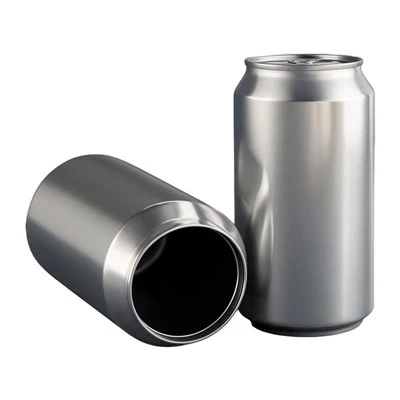
So if you’re ready to get started, go grab a bin, label it “ALUMINUM CANS”, and toss your next soda can in there. If you’re running a drive, tell your friends, set up a bin at work, and make it easy for people to contribute. And if you’re interested in turning your collected cans into something useful—whether for extra cash, a fundraiser, or just to support a circular economy—reach out. We’re here to help connect you with the right folks to process your aluminum, and make sure your efforts count. Don’t underestimate the power of a single can—every one matters.
Beverage Can References:
- Aluminum Association. (2023). Aluminum Recycling Facts.
- Environmental Protection Agency. (2022). Municipal Solid Waste Recycling Rates.
- Institute of Scrap Recycling Industries. (2023). Aluminum Can Scrap Market Report.
- North American Metal Recycling Association. (2022). Guide to Sorting Aluminum Cans for Recycling.
Fudijia (Tianjin) Supply Chain Co., Ltd.
As one of the most professional aluminum can manufacturers and suppliers in China, our products have good reputation in the market. Please feel free to buy customized aluminum can made in China here from our factory. Quality products and low price are available.
Address: Room 1602, MSD-G1, TEDA , Binhai New Area, Tianjin, China, 300457
E-mail: Sales896@hjlfoods.com
WebSite: https://www.fdjpack.com/
