Yo, let’s cut to the chase—if you’ve ever stood in a perfume shop, stared at rows of floral scents, and thought, “Wait, can I just mix my own?”, you’re not alone. As someone who’s worked in the floral perfume game for over a decade, I’ve seen so many customers grab a rose oil, a jasmine tincture, and a vial of peony absolute, splash ’em together, and wonder why it smells like a fancy cleaning product (no shade to lemon-scented all-purpose, but that’s not the vibe we’re going for). Mixing floral perfumes isn’t just dumping bottles—there’s a method, and I’m gonna break it down like I’m chatting with a friend while restocking our in-store oil stands. Floral Perfume

First off, let’s get the basics straight: not all floral notes play nice. I’ve tested this so many times—some blooms are bold, some are delicate, and if you stack ’em wrong, they clash harder than a neon pink hoodie with clown shoes. Let’s start with defining the three core floral “layers” every perfume needs, right? Top notes, middle notes, base notes. No, this isn’t some fancy industry jargon—it’s what makes your perfume linger instead of fizz out after 5 minutes.
Top notes are the first thing you smell—they’re the bright, zingy, quick-drying stuff. For floral mixes, that’s your light, fresh picks: citrusy petals like orange blossom, tiny baby’s breath, or even a hint of peony bud (not full-on peony, save that for middle). These are like the opener at a party—they grab your attention fast, but they don’t stick around long. I always tell folks: keep top floral notes to 10-15% of your total mix. If you go heavier, they’ll overpower everything else, and your perfume will smell like you just sprayed a bouquet of grocery store daisies (nothing wrong with that, but it’s not complex).
Middle notes are the “heart” of the perfume—this is where the real floral magic happens. These are the mid-strength blooms that last a few hours, and they balance out the top’s brightness. Think rose, jasmine, geranium, or lavender (wait, lavender’s technically a herb, but it’s such a staple in floral blends it counts). This should make up the bulk of your mix—like 50-60%—because this is the scent people actually associate with “your perfume.” Pro tip here: don’t pick two middle notes that are too similar. I once watched a customer mix two different rose absolutes and a jasmine grandiflorum, and it just turned into one big mushy “floral blob” with no depth. Mix, say, a soft rose otto with a zingy geranium—that’s the kind of combo that makes someone go, “What are you wearing? It smells so nice.”
Base notes are the secret—they’re the deep, long-lasting stuff that grounds the whole blend. For floral mixes, that’s not just woody scents (though sandalwood or cedar work great); you can also use rich, sweet florals or even a touch of vanilla absolute to make everything stick. Base notes make up 20-30% of your mix, and if you skip ’em, your perfume will fade in an hour flat. I learned this the hard way back when I was 19, testing my first mix: I only used rose and jasmine, and by the time I got home from the shop, it was gone. Never again.
Now, let’s talk tools—you don’t need fancy lab equipment, promise. You can use clean glass vials (I save every empty perfume sample bottle, it’s free and eco-friendly), a small pipette (you can grab these at any craft store or even order ’em cheap online), and a notebook to track your ratios (trust me, you’ll forget what you did after a few tests). Oh, and don’t use plastic—floral oils break down plastic over time, so glass is non-negotiable.
Here’s where it gets fun: testing ratios. I always start with small batches—like 10 milliliters total—so if you mess up, you’re not wasting a ton of expensive oils. Let’s say you wanna make a “spring garden” blend, which is one of our top customer requests. Here’s a solid ratio I use that never misses:
- Top notes: 10% orange blossom oil (that’s 1ml)
- Middle notes: 55% mix (so 5.5ml: 3ml rose otto, 2.5ml jasmine sambac)
- Base notes: 35% (3.5ml: 2ml sandalwood essential oil, 1.5ml vanilla absolute)
Wait, why vanilla absolute instead of plain vanilla extract? Because extract has alcohol and water, which can mess with your oil blend—absolute is pure, concentrated, and adds that soft, warm depth without tasting like a cookie (unless that’s the vibe, but let’s stick to garden). I tested this mix last month, and a regular customer who buys our bulk oils said it’s the best personal blend she’s made in a year. Success.
But let’s talk common mistakes—because I’ve made all of ’em. First, overloading on bold florals. I’ve had people dump 8ml of jasmine into a 10ml batch, and it smells like a jasmine bush that’s been left in the sun for three days—overpowering, a little headachy, not something you wanna wear to work. Rule of thumb: one bold floral (jasmine, tuberose, heavy rose) per mix, max. Keep the rest lighter.
Second, not letting your blend rest. I know, I know—you mix it, you wanna spray it immediately. But floral blends need to “age” for 24-48 hours in a cool, dark place (like a closet, not the bathroom—steam kills the scent). The oils need to merge, and the base notes have time to come through. I once had a customer who tested a mix right after making it, hated it, came back a week later saying it was the best thing she’d ever smelled. Patience is key.
Third, using synthetic fragrances. Look, some synthetics smell nice, but they don’t have that natural depth that makes a floral mix feel unique. Our shop only carries 100% pure floral absolutes and essential oils, and that’s why our customers keep coming back—they don’t get that chemical aftertaste that lingers on your clothes. I’ve tried mixing synthetics before, and it always ends up smelling fake, like a car air freshener. No thanks.
Now, if you’re a beginner, start small. Don’t jump into a mix with 5 different florals. Start with two middle notes, a top, and a base. For example: geranium (middle) + peony bud (top) + sandalwood (base). That’s simple, balanced, and impossible to mess up. Once you get the hang of it, you can add more notes—like a hint of violet leaf or a touch of ylang-ylang.
Wait, what about if you wanna wear a floral scent that’s not just flowers? A lot of people think “floral” has to be all bloom, but adding a tiny touch of fruit can make it pop. Like, 10% mandarin peel oil with rose and jasmine—suddenly it’s not just a bouquet, it’s a bouquet with a side of fresh fruit, perfect for summer. I tested that last summer, and it sold out in our shop in two weeks. People love that little twist.
Another pro tip: test on your skin, not a paper strip. Perfume smells different on paper than it does on your skin—your pH level changes how the oils react. I always tell customers to dab a little on their wrist, wait 10 minutes, then smell it. If you still like it after 10 minutes, it’s a keeper. If it smells like nothing or gets weird, adjust your ratios.
Now, let’s talk about storage. Once you make your blend, keep it in a dark glass bottle, sealed tight, in a cool place. Floral oils can go rancid if exposed to light or heat, so don’t leave it on your windowsill. I have a whole shelf in my closet of half-finished blends, labeled with dates and ratios, so I don’t forget what I did. It’s messy, but it works.
As someone who’s in the floral perfume supply business, I get asked all the time: “Can I mix my own instead of buying pre-made?” The answer is absolutely—you just have to do it right. It’s not just about the oils, it’s about balancing the layers, being patient, and not being afraid to mess up. I’ve ruined more blends than I can count, but each one taught me something.
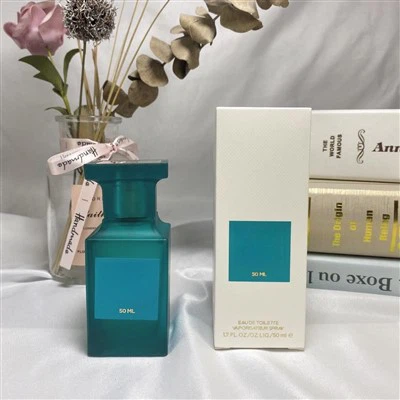
If you’re ready to try mixing your own, or if you’re a small business looking for pure floral oils to stock, hit us up to chat about bulk pricing and custom blends. We’ve got everything from rose otto to jasmine sambac, and we’re always happy to help new mixers get started. No stuffy contracts, no hidden fees—just real talk about flowers and scents.
Amber Perfume Wait, one last thing: don’t overcomplicate it. The best floral blends are the ones that feel like you, not some fancy formula. My go-to mix is rose, a tiny bit of lavender, and a drop of vanilla—simple, soft, and people always ask what I’m wearing. That’s the magic, right? It’s not about having 10 notes, it’s about making something that feels like you.
References
- Calkin, R., & Jellinek, J. S. (2010). Perfumery: The Psychology and Biology of Fragrance. CRC Press.
- EPA. (2022). “Essential Oils and Fragrance Compounds: Safety Considerations for Personal Use.” U.S. Environmental Protection Agency.
- The Society of Cosmetic Chemists. (2021). “Guidelines for Blending Natural Floral Fragrance Oils.” Journal of Cosmetic Science.
- Peacock, M. (2019). The Art of Natural Perfumery: Creating Your Own Scents with Essential Oils and absolutes. Storey Publishing.
Chengdu Yiwan Commerce Co., Ltd.
We’re well-known as one of the leading floral perfume manufacturers and suppliers in China. With abundant experience, we warmly welcome you to wholesale high quality floral perfume in stock here from our factory. If you have any enquiry about custom service and OEM&ODM service, please feel free to email us.
Address: Room 2011, 20th Floor, Unit 1, Building 1, No. 18 Dongsi South 1st Road, High-Tech Zone, Chengdu, China
E-mail: wan@yiwan-store.com
WebSite: https://www.yiwan-store.com/
