Hey everyone, I’m Jake, part of the team here at our electric bicycle supplier (no fancy corporate name needed, just the crew that’s actually building and tuning e-bikes day in and day out). One question we get at least once a week—sometimes more, especially from folks who are new to e-bikes— is: “How much does it actually cost to replace an e-bike battery?” It’s not a numbers game you can guess off the top of your head, and I’ve seen too many people panic when they hear a random quote online, or think a battery’s just a $20 part. Let’s break this down like we would for a customer who stopped by our shop last week, no jargon, just real stuff we deal with. Electric Bicycle

First off, let’s get one thing straight: an e-bike battery isn’t your phone battery. Yeah, both use lithium-ion cells, but e-bike batteries have to handle way more. They’re powering a 50-pound bike that you’re climbing hills with, carrying groceries on, maybe even pulling a small trailer. That means they’re built for consistent discharge, not just quick top-ups. So when it comes to replacement costs, there are a bunch of factors that shift the number—no one size fits all. Let’s start with the biggest one: the type of battery your e-bike uses, because that’s where most of the price gap comes from.
We sell three main types of e-bikes, each with their own battery setup, and the prices vary a ton. First, there are the entry-level commuter e-bikes—think the ones we make for people who just ride to work and pick up coffee. Those usually have lower-capacity lithium-ion packs, like 36V 10Ah or 36V 12Ah. A replacement for those? We typically charge between $350 and $550. Wait, why so high? Let’s be real, it’s not just the cells. You’ve got the casing that has to hold up if you drop the bike, the wiring that’s got to be heat-resistant, and the smart BMS—battery management system, for anyone who doesn’t know—that keeps the cells from overheating or dying early. Skimp on that BMS, and the battery might work for six months, then die completely. We test every battery we sell to make sure that doesn’t happen.
Then there are mid-tier e-bikes, like the mountain or hybrid ones we build for people who go off-road or do longer rides. Those use 48V 14Ah to 48V 17Ah batteries, and replacement here runs $550 to $850. Why the jump? Higher voltage means more power, so the cells have to be sturdier. Some of these even have built-in chargers that plug directly into the frame, or are “hidden” inside the downtube, so they need to fit a custom space—no off-the-shelf parts there. Last month, a guy brought in his mid-tier mountain e-bike because his battery died after 1,200 miles. We replaced it with a custom-matched pack for his frame, and he paid $720. He told us the old one was a cheap off-brand he bought online, and it only lasted 800 miles before it swelled up. That’s the other thing—bad batteries can be dangerous, not just a waste of money. We never skimp on cells, so even if our price is a bit higher, you’re getting something that won’t catch fire or ruin your ride.
And then there are the high-end, performance e-bikes—like the ones we make for long-distance touring or competitive off-road riding. Those use 52V or 60V packs, sometimes even 20Ah or higher, and they can cost $900 to $1,500 to replace. A lot of these are also “dual-battery” setups, so you can swap in a second pack for 50+ mile range. Last quarter, a touring customer had his battery fail on a cross-country trip, and we had to rush a replacement to a shop in Ohio for him. That pack cost him $1,200, but he said it was worth it because he didn’t have to delay his trip. These batteries are built to handle way more strain—they’re sometimes waterproof, can handle extreme temperatures, and have way more cycles. A good quality battery from us usually lasts 1,000 to 1,500 charge cycles, which translates to 3 to 5 years of regular riding, if you take care of it.
Wait, that’s another big point: how you use and maintain your battery can make the replacement cost way less (or way more). A lot of people don’t know this, but how you charge your battery has a huge impact. If you leave it plugged in 24/7, or let it die completely every time you ride, that’s going to kill the cells way faster. We always tell customers to keep their battery between 20% and 80% charged when storing it—especially over the winter, if you’re not riding much. Last year, a customer stored his e-bike in his garage all winter, full charge, and when he pulled it out, the battery was dead and wouldn’t hold a charge. He ended up needing a replacement way earlier than he should have, because he didn’t maintain it. Another guy, though, rides his commuter every day, keeps his battery charged between 30% and 70% when not using it, and he’s still on his original battery after 4 years. No replacement needed yet.
Also, where you buy the battery matters so much. I see people on Facebook Marketplace or Amazon buying $150 “universal” e-bike batteries all the time, and 9 times out of 10, those don’t work right. They might not fit your frame, they might not be compatible with your motor, or they’re using cheap cells that only last 300 cycles. We had a customer bring in an Amazon battery last month—he paid $180 for it—and when we tested it, it only held 20% of its original capacity after 6 months. That’s a total waste. Even if someone offers a cheaper price, a battery that dies in a year is going to cost you more in the long run, right? You’ll have to buy another one, instead of a single, reliable replacement that lasts.
Wait, what about other costs people sometimes forget? Installation, for one. If you’re not handy with bikes, you might need to pay someone to put the new battery in. That’s usually $50 to $100, depending on how easy the access is. Some of our batteries snap right into the frame, so you can do it yourself in 2 minutes, but others are bolted in, so you might need a mechanic. Also, some brands offer warranties on their batteries. We offer a 2-year warranty on all our replacement batteries, so if anything goes wrong in that time, we fix it for free. That’s a big plus—if someone tries to sell you a battery with no warranty, that’s a red flag.
Let me also clear up a common myth: you don’t have to buy the exact same battery that came with your bike, but you do have to get a compatible one. For example, if your bike takes a 36V 12Ah battery, you can get a higher capacity (like 14Ah) if it fits, which will give you longer range, but you can’t put a 24V battery in there—it won’t power the motor. That’s something we help customers with all the time. Last week, a girl came in with a used e-bike she bought, and she had no idea what battery it needed. We pulled up the specs for her bike, got her a compatible 36V 14Ah battery, and she paid $450. Way better than guessing and getting the wrong one.
So putting this all together, what’s the average you can expect? For most regular commuters, that’s $400 to $700 for a replacement, not including installation if you need it. If you’re riding a high-end model, it’s going to be more, but that’s because you’re getting a better, longer-lasting battery. The key is not just looking for the cheapest price—look for a battery that’s compatible, has a good warranty, and is made with quality cells.
We’ve helped hundreds of customers replace their e-bike batteries over the last few years, and the biggest mistake we see is people going for the super cheap option online, only to end up with a dead battery months later. We’re not here to pressure anyone into buying the most expensive one, either—we just want to make sure you get the right one for your ride.
If you’re currently needing a replacement battery, or you’re just curious about pricing for your specific e-bike, we can hook you up with a custom quote. No generic pricing here, just us asking a few simple questions about your bike model, how you use it, and what kind of range you’re looking for, then giving you a fair price. No hidden fees, no jargon, just straight talk.
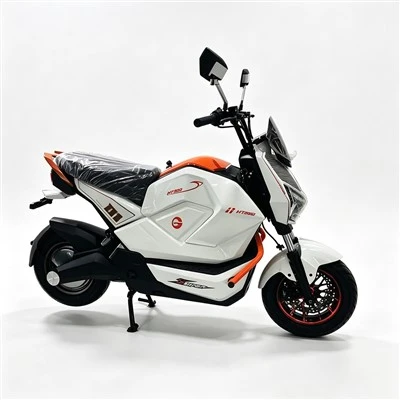
When it comes to your e-bike, the battery is basically its heart. You wouldn’t skimp on a heart replacement, right? Treat it right, and it’ll last for years, but when you do need to replace it, knowing what to expect takes the stress out of it. We’ve been there, we’ve fixed those broken batteries, and we’re here to help you avoid the common pitfalls.
Electric Bicycle References: 1. Electric Power Research Institute. (2022). Lithium-Ion Battery Lifespan for Light Electric Vehicles. 2. National Renewable Energy Laboratory. (2021). Cost Analysis of Light-Duty Electric Vehicle Batteries. 3. European Cyclists’ Federation. (2023). E-Bike Maintenance Guide for Battery Longevity.
Hebei Xiaotianhang Bicycle Co., Ltd.
Hebei Xiaotianhang Bicycle Co., Ltd. is one of the most professional electric bicycle manufacturers and suppliers in China, also supports customized service and OEM service. Please feel free to wholesale bulk CE approved electric bicycle in stock here and get pricelist from our factory. Quality products and reasonable price are available.
Address: Xingye North Street, North of Economic Development Zone, Guangzong County, Xingtai City, Hebei Province
E-mail: nickie@hbxiaotianhang.com
WebSite: https://www.xiaotianhang.com/
