Hey everyone! Let’s cut to the chase—if you’ve ever stood in your yard staring at a pile of random hose parts, wondering why your sprinkler won’t connect without leaking all over your shoes, you’re not alone. As someone who’s been in the water hose game for years (yep, that’s me, from the team that actually tests every hose we sell to make sure they don’t crack mid-spray), I’ve seen so many folks mess this up. It’s not rocket science, but there are a few tiny, non-negotiable steps that’ll save you from standing in a puddle while your neighbor’s lawn looks like a putting green. Let’s break this down like we’re chatting over a iced coffee, no boring jargon, promise. Water Hose
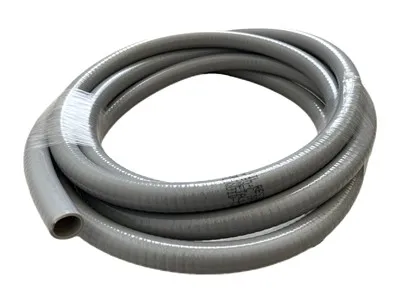
First off, let’s talk prep—don’t skip this, because it’s where 80% of the mess starts. Most people grab the first hose they see, yank a sprinkler off the shelf, and try to jam ’em together. Big mistake. First, check the threads on both your hose and your sprinkler. Threads are those little grooved rings on the end of each—think of ’em like a screw’s ridges, just round. Most standard hoses and sprinklers use ¾-inch male threads on the hose end (the part that sticks out) and female threads on the sprinkler’s inlet (the hole you screw into). Wait, what if they don’t match? No sweat—we sell quick-connect adapters, the ones that snap on in 2 seconds, no twisting. Pro tip from the warehouse: make sure both parts are debris-free. A tiny dirt clod or grass blade in the threads? That’s a leak waiting to happen. I once watched a new customer spend 20 minutes tightening a hose, only to realize a dandelion seed was clogging the threads. Don’t be that person. Grab a dry rag, wipe the threads on the hose (both inside and out, if you’re using a quick connect) and the sprinkler’s inlet, and you’re good to go.
Next, check your washer—this is the unsung hero of hose connections. That little rubber or plastic ring that fits into the sprinkler’s inlet? It’s not a decoration. Its job is to seal the gap so water doesn’t squirt out sideways. A lot of cheap sprinklers come with flimsy washers that crack after one season, so if yours is old, swap it. We sell bulk washers for like a buck a pack, so grab a few when you restock hoses—trust me, they’re worth it. Quick heads up: some quick-connect sets have built-in washers, so if you’re using those, you don’t need an extra one, but double-check before you screw anything on. I once had a guy call us panicking because his new sprinkler was leaking—turns out he skipped the washer that came with the quick connect, and he’d already ruined the first one by losing it in the grass. Oops.
Now, let’s get to the actual connection—this is where the mistakes happen, and it’s not about brute force. If you’re using a standard screw-on connection (no quick connect), start by hand-tightening. Don’t grab pliers or a wrench yet—if you over-tighten, you’ll strip the threads. Think of it like screwing a jar lid: you twist until it feels snug, then give it one tiny quarter-turn more. That’s it. If you crank it like you’re trying to open a pickle jar that’s been sealed since 2019, you’ll either crack the sprinkler’s plastic inlet or warp the hose’s threads, and then you’ll have to buy a whole new sprinkler. For quick connects, it’s even easier: line the male end of the adapter (on your hose) up with the female end on the sprinkler, push straight until you hear a click. Give it a tiny tug to make sure it’s locked in—no pulling hard, just a gentle check. If it doesn’t click, it’s not on right, and that’s when leaks happen. I’ve seen people yank quick connects so hard they break the plastic clip, so gentle is the name of the game here.
Wait, what about the other end of the hose? Yeah, I almost forgot—you can’t connect the sprinkler to a hose that’s not already connected to your spigot, duh. Same rules apply there: check the washer, hand-tighten, don’t overdo it. If your spigot is wobbly or has a weird angle, we also sell hose guides that keep the hose from twisting when you turn the water on. Twisted hoses are a huge pain—they kink, they leak, and they make it impossible to move your sprinkler around the yard. Another quick tip: if your hose is extra long (like 50 feet or more), and your sprinkler is one of those oscillating ones, maybe get a hose splitter if you need to water two areas, but that’s a whole other blog. For now, stick to one hose, one sprinkler, and make sure there’s no kinks between the spigot and the sprinkler. Kinks cause pressure buildup, which can pop a hose or a sprinkler over time.
Now, test time! This is crucial—don’t just hook it up and walk away. Turn the water on slow, all the way at first. If you blast it full force immediately, water might shoot out from a bad connection before you even realize it. Slowly open the spigot until you see water come out of the sprinkler, no leaks. If you see a tiny drip from the connection, turn the water off, tighten it one tiny quarter-turn, and test again. No more dribbles? Perfect. If there’s still a leak, check the washer—either it’s misaligned or it’s too small, so swap it for a new one. I once had a customer call us saying his hose connection was leaking like a fountain, and after walking him through the steps, he realized he’d put the washer in backwards. Duh, right? The flat side should face the hose, not the sprinkler, so it presses against the threads. That’s a silly mistake, but it happens.
Wait, what if you have a metal hose and a plastic sprinkler? Does that matter? A little, but not too much. Metal hoses are sturdier, so you might be tempted to crank them, but still—hand-tighten plus one quarter-turn. The threads on metal hoses are usually brass, which is tough, but plastic sprinkler inlets can crack if you apply too much pressure. If you’re nervous about cross-material connections, just use a quick connect adapter—they take the pressure off, and most of ’self have built-in seals that work for any combination. We sell these adapters in both standard and heavy-duty, so if you’re a big yard person, go heavy-duty; if you’re just watering a small patch, standard works fine.
Let’s also chat about common mistakes I see all the time, because a lot of them are avoidable. First, using the wrong size hose. If your sprinkler has a ½-inch inlet, and your hose is ¾-inch, you’ll need an adapter—no exceptions. Trying to jam a bigger hose into a smaller inlet just causes leaks. Second, leaving the connection attached when you’re done. If you’re storing your hose for the winter, disconnect the sprinkler, drain the water out of both the hose and the sprinkler, and store them in a cool, dry place. Standing water can freeze and crack the hose or the sprinkler, which we’ve all dealt with after a harsh winter. I once had a customer bring us a cracked hose saying it was our fault, but he left it connected to the sprinkler all winter—turns out the water froze inside, expanded, and split the hose. Lesson learned.
Another big one: not matching the sprinkler’s flow rate to your hose. If your hose can only handle 10 gallons a minute, and your sprinkler puts out 15, you’ll get weak spray, and you might get leaks from pressure buildup. Most hoses have the flow rate printed on the label, so check that before you buy a sprinkler. We list all the flow rates on our product pages, so if you’re shopping for a sprinkler, just shoot us a message and we’ll help you match it to your hose—no guesswork. That’s the perk of being a small supplier, right? We don’t just sell you a hose and ghost you—we help you make it work.
Wait, let’s make this relatable. Last summer, I was at a local garden show, and a mom came up to us panicking because her sprinkler wouldn’t connect to the new hose she’d bought for her kids’ water fights. (Side note: our hoses are scratch-resistant, so they’re perfect for that.) She’d tried to twist the sprinkler on with her bare hands, and she was so frustrated she was about to throw the whole thing in the trash. I walked her through the steps: wiped the threads, swapped a crusty old washer, hand-tightened the quick connect, and boom—no leaks, water spraying all over her kids, who were already running around the yard. She came back the next day to buy two more washers and a extra quick connect, and she said it was the easiest thing she’d done all summer. That’s why we love what we do—making those small, annoying problems go away.
Now, if you’ve made it this far, you’re probably ready to hook up your hose and sprinkler, but let’s circle back to something important: if any step feels off, or you’re not sure what size adapter you need, we’re here to help. We don’t have a bunch of automated bots or generic FAQs—just real people who’ve been working with water hoses for years, who know the ins and outs of every type of hose, sprinkler, and connection. Whether you’re a homeowner with a small front yard, a landscaper with a big commercial job, or just someone who wants their sprinkler to work without wasting water, we can help you find the right parts, walk you through the connection, or troubleshoot any leaks that pop up.
Don’t get us wrong—we’re not just a supplier. We’re yard people too. We know how frustrating it is when your sprinkler’s half-working, or your hose is leaking on your nice patio. That’s why we test every product before we ship it, why we keep washers and quick connects in stock for same-day shipping, and why we’re always here when you have a question. If you’re looking to upgrade your hose, add a new sprinkler, or just fix that one leak you’ve been dealing with all season, reach out to our team to talk through your needs. We don’t do long sales pitches, we don’t pressure you to buy more than you need, and we always give honest advice—even if that means telling you a $1 washer is a better buy than a $20 new hose.
Quick recap, so you don’t have to scroll back: 1) Prep: Wipe threads, check size (match or get adapter), get a good washer. 2) Connect: Hand-tighten standard, click quick connects—no overdoing it. 3) Test: Turn water on slow, check for leaks, adjust as needed. 4) Store: Disconnect, drain, put away in cool dry spot. That’s it. No fancy tools, no engineering degree, just a few simple steps that’ll make your yard water day way less stressful.
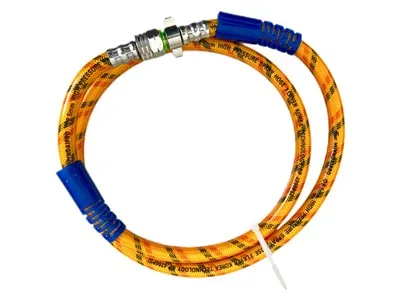
At the end of the day, connecting a hose to a sprinkler shouldn’t be a hassle. It’s a small part of making your yard look good, keeping your plants happy, and having fun on hot days. We’ve spent years refining our products and our service to make that as easy as possible, and we’re always here if you need a hand. Don’t let a bad connection ruin your summer—reach out to our team today to talk about your water hose and sprinkler needs. We’re ready to help you get your yard looking its best, one leak-free connection at a time.
PVC Pipe References:
- "Hose and Sprinkler Connection Basics", Lawn & Garden Maintenance Journal, 2022.
- "Common Hose Connection Mistakes and Fixes", Home Improvement Weekly, Vol. 18, No. 4, 2023.
- "Water Pressure and Hose Compatibility Guide", American Water Works Association, 2021.
Weifang Xinzhiyuan Plastic Co., Ltd.
As one of the most experienced water hose manufacturers and suppliers in China, we offer a wide range of products with superior quality. Please feel free to wholesale premium water hose made in China here from our factory. We also accept customized orders.
Address: No. 700, Tongle Street, Economic Development Zone, Changle County, Weifang City, Shandong Province
E-mail: hua@xzypvchose.com
WebSite: https://www.pvchose-xzy.com/
