Hey there, let’s cut to the chase—if you’re knee-deep (pun totally intended) in basement flooding or sewer line headaches, you’ve probably seen two big pump names thrown around: sump pump and sewage pump. I’m a sewage pump supplier, and I get this question at least a dozen times a week, so let’s break this down like we’re chatting over coffee, not reading a boring spec sheet. No fancy jargon, just real stuff that actually matters when your home (or business) is at risk of water damage. Sewage Pump

First off, let’s stop acting like these two do the same job. If you grab a sump pump to clear a backed-up sewer, you’re gonna have a bad time. Plain and simple. But why? Let’s start with the basics of what each handles—because that’s the core difference.
A sump pump lives in that tiny pit in your basement or crawl space, right? The one that catches all the excess groundwater that seeps through your foundation after a heavy rain or from melting snow. That water is what we call “gray water,” maybe? Wait, no, actually it’s just clean-ish groundwater—no poop, no food scraps, no toilet paper, no anything that came from your drains like sinks, showers, or toilets. Its whole gig is to move stagnant, clean (or slightly dirty, but harmless) water out of your low spot and dump it somewhere safe, like the yard or a storm drain.
A sewage pump? That’s for the real messy stuff—black water, the wastewater that comes from your toilets, showers, sinks, laundry, even commercial lines from restaurants or office buildings. It handles solids. I’m talking things that shouldn’t go down drains but sometimes do (hair, food clumps, small toilet paper wad backup), because if it can’t chop or move that gunk, it’ll clog so fast you’re dealing with a sewage spill in your basement before you can say “unclog.”
Now let’s talk about how they’re built, because that’s where the real science (not the textbook fluff) kicks in. Sump pumps are usually made with a lightweight, non-clog impeller—wait, no, actually most submersible sump pumps have a vortex impeller, which is sort of a curved blade that spins to pull water through, not chop it. They’re designed for low volume, high speed—like, they move hundreds of gallons per hour, but they don’t handle heavy solids. If a sump pump tries to push solid sewage particles, that impeller’ll get gummed up in 10 minutes flat. And since they’re in a clean pit, their motors aren’t sealed super tight against gross stuff.
Sewage pumps? Now those are built like tanks. Especially the submersible commercial ones (but even the residential sewage pumps we sell for homes) have a chopper impeller—yes, it’s literally sharp blades that spin to turn solids into tiny pieces so they can flow through pipes. The motor is totally sealed, like, water-tight enough to sit submerged in sewage for years without corroding. They’re also higher horsepower, because moving sewage requires more oomph than moving clean groundwater. Oh, and one big thing: most sewage pumps can’t handle regular groundwater at all. If you stick a sewage pump in a sump pit full of clean water, it’ll waste power and maybe burn out fast—they’re tuned for the thick, solid-laden flow of sewage, not thin groundwater.
Let’s throw in a real example to make this stick. Last month, a homeowner hit me up saying their basement flooded after a thunderstorm. They’d tried using their old sump pump, but it died halfway through because it kept sucking up bits of toilet paper from a clogged toilet line that had seeped into the sump pit. Turned out their main sewer line was backed up, so they needed a sewage pump to clear the whole mess, not just the rainwater. That’s exactly the mix-up people make all the time—they assume any pump works for water, but no, these are for totally different “clients.”
Another thing people don’t know: installation. Sump pumps are usually a DIY job for handy folks—you dig the pit, drop the pump in, run a discharge line outside. Sewage pumps? That’s not a DIY move, at least not for residential or commercial use. Because you’re dealing with your home’s main sewer line, which connects to the city’s lines—you can’t just drop a sewage pump in a random pit; you have to tap into the sewer line, make sure the discharge is sloped correctly (wait, no, sewage pumps usually have to push the line up, because gravity usually moves sewage downhill, but if your basement is lower than the main line, you need a pump to push it up), and get the seal right to prevent leaks that could end up as a big health hazard. That’s why as a sewage pump supplier, I always tell customers to get a pro to install one, not just hook it up themselves.
Wait, let’s get into when you’d actually use each, ‘cause that’s what matters for your space. Sump pump needs: basement with foundation seepage, homes in flood zones, crawl spaces that get damp. You’ll probably use a sump pump to prevent hydrostatic pressure from cracking your foundation, or to stop a small rain flood from turning your storage space into a pool. Sewage pump needs: basement bathrooms, laundry rooms below the main sewer line, commercial buildings like cafes or retail shops that have sewer lines running low, or if you’ve had past sewage backups. If you have a toilet in the basement, you absolutely need a sewage pump there—your regular toilet’s wax ring can’t handle pumping waste uphill, so a sewage pump with a grinder is non-negotiable.
Let’s talk about maintenance, too, ‘cause a pump is only as good as its upkeep. Sump pumps, super simple: once a year, pour a bucket of water in the pit to test the float switch, make sure it turns on, clean any gunk out of the pit. That’s it. Sewage pumps? More work, but not impossible. You should inspect the impeller every 6 months to make sure it’s not clogged with hair, food, or toilet paper (the chopper does most of the work, but it’s not invincible). If it’s a submersible model, pull it out occasionally to check for corrosion on the motor, test the discharge line for kinks. I always tell customers to get a backup battery for their sump pump, but sewage pumps—since they’re tied to your main power, and need more oomph—also need a backup power source, because if the power goes out during a flood or sewer backup, you’re screwed.
Wait, let’s clear up a common myth: some people say you can use a sewage pump as a backup sump pump. Technically, maybe, but it’s overkill, and way more expensive. A sewage pump costs 2-3x more than a sump pump, so why waste that cash if you don’t need it? And it’ll be less efficient at moving clean groundwater, so it’ll run nonstop and burn out faster. On the flip side, never use a sump pump for sewage—we’ve seen it happen, and it leads to sewage spills, which are not only messy but a biohazard. You’re looking at hundreds in cleanup, maybe even mold damage, if that goes wrong.
As a sewage pump supplier, I’ve seen way too many people make the wrong choice here. Last year, a small café called me because their sump pump (they’d used it for 5 years) died during a busy weekend, and they had a sewage backup in their kitchen. That’s a $2,000 cleanup plus lost revenue, all because they didn’t know the difference. It’s not just about the pump itself—it’s about matching the right tool to the job, ‘cause water and waste aren’t the same.
Let me wrap this up with the key takeaways, so you don’t have to forget all this: Sump pumps = clean groundwater, shallow pits, no solids, low horsepower, easy DIY install. Sewage pumps = black water (toilets, showers, sinks waste), solids handled by chopper impellers, high horsepower, professional install, built for gunk. If you’re dealing with basement seepage from rain or snow, go sump. If you’re dealing with sewer lines, toilets in the basement, or solid waste backups, go sewage.
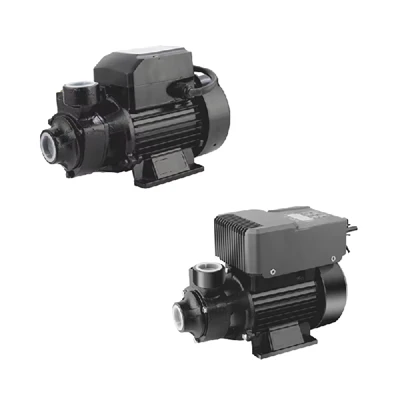
If you’re shopping for either, just reach out to us—we’ve got residential and commercial options, we can help you figure out exactly what you need, no pressure, no pushy sales stuff. We’re here to make sure you don’t end up with a flood or a backup that costs way more than a good pump would have.
Sewage Pump References:
- Water Quality & Health Council. (2022). Sump Pump vs. Sewage Pump: Key Differences for Homeowners.
- International Association of Plumbing and Mechanical Officials (IAPMO). (2021). Plumbing Code Guidelines for Residential Sewer Pump Installation.
- U.S. Environmental Protection Agency (EPA). (2020). Home Wastewater Management: Choosing the Right Pump for Basement Applications.
- Pump Industry Association (PIA). (2023. Pump Selection Guide for Residential and Commercial Wastewater Systems.
- National Flood Insurance Program (NFIP). (2022). Basement Flood Mitigation: Sump Pump and Sewage Pump Requirements.
Longbiao Pump Industry Co., Ltd.
We are one of the most professional sewage pump manufacturers and suppliers in China, featured by quality products and low price. Please rest assured to buy discount sewage pump for sale here from our factory. We also accept customized orders.
Address: Unit 101, Building 11, Pan’ao Entrepreneurship Park, Daxi Town, Wenling City, Taizhou City, Zhejiang Province, P.R. China
E-mail: 1653746797@qq.com
WebSite: https://www.cnlongbiao.com/
