If you’ve ever walked past a manufacturing floor where plastic pipes, custom profile frames, or even food-grade packaging films are being made, you’ve probably seen an extrusion machine in action. But if you’ve ever wondered what makes that machine run with the kind of consistent pressure and precision that turns raw pellets into uniform, high-quality products, the answer lies in its hydraulic system. As someone who’s supplied extrusion machines to manufacturers across 12 countries over the last 10 years—watching these systems go from prototype to full production lines in industries from automotive to consumer goods—I can tell you this isn’t just a set of hoses and pumps. It’s the backbone that turns raw material into finished goods. Let’s break down what an extrusion machine hydraulic system is, how it works, and why it matters more than you might think. Extrusion Machine
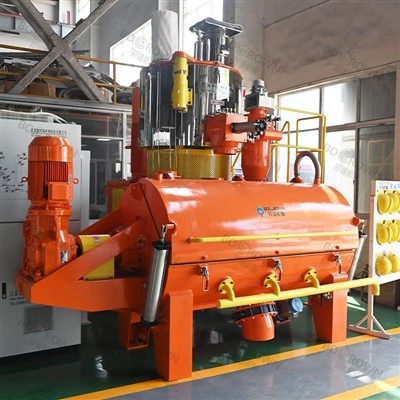
First, let’s set the stage for context. An extrusion machine’s core job is simple: feed raw material—usually plastic resin, rubber, metal, or even certain food products—through a heated barrel, force it through a shaped die, and cool it into a continuous, uniform product like a window frame, a drinking straw, or a plastic sheet. The key here is force. To keep that material moving smoothly through the barrel, and to make sure it flows evenly through the die, you need consistent, controlled pressure. That’s where the hydraulic system comes in. Unlike electric systems that might work fine for small, low-force tasks, extrusion demands steady, high power over long periods, and hydraulics are built for exactly that.
Let’s get into the components that make up a typical extrusion machine hydraulic system, because understanding the parts helps explain why the whole works so well. Most extrusion hydraulic systems have five core parts, and I’ve standardized these across every machine we supply to make maintenance easier for our clients. First is the hydraulic pump, which is the heart of the system. This is usually a piston pump or a vane pump, sized specifically for the extrusion machine’s output capacity. For a small machine making 2-inch plastic pipes, the pump might push 10 gallons of hydraulic fluid per minute, but for a large machine making 10-foot-wide plastic sheeting for construction, that number jumps to 50 gallons or more. The pump’s job is to take mechanical power from an electric motor and turn it into hydraulic power by pressurizing the hydraulic fluid—usually a specially formulated oil that’s resistant to heat and compression.
Next is the reservoir, the holding tank for that hydraulic oil. I always tell clients not to skip regular reservoir maintenance, because this is where the oil cools down, air bubbles escape, and contaminants settle out. A lot of new operators I work with forget that air bubbles in the hydraulic line cause inconsistent pressure, which leads to lumpy, uneven extrusion—no good for quality control. Then there are the control valves, which act like the system’s brain. These valves regulate the flow, direction, and pressure of the hydraulic fluid. For extrusion, you need precise control: too much pressure, and the material will overheat and burn in the barrel; too little, and the material won’t flow through the die evenly, leading to thin spots or gaps in the product. We use proportional control valves on every machine we sell, which let operators adjust pressure smoothly in real time, not just in on-off increments. That’s a game-changer for consistency.
Then there are the actuators, which are the parts that actually do the work. On an extrusion machine, the most common actuator is the hydraulic cylinder that drives the screw in the barrel, pushing material forward. Some larger machines also use hydraulic motors to adjust the die gap, so operators can fine-tune the product thickness without shutting down the line. Finally, you have the monitoring and safety systems: pressure gauges, temperature sensors, and pressure relief valves that shut the system down if pressure gets too high, preventing damage to the machine or dangerous leaks.
Now, how does this all work together to power an extrusion machine? Let’s walk through a typical production cycle, step by step, because that’s where the real function becomes clear. When an operator loads raw plastic pellets into the machine’s hopper, the pellets fall into the heated barrel, where they melt as the barrel warms to between 150 and 300 degrees Celsius, depending on the type of plastic. At the same time, the hydraulic pump turns on, pulling hydraulic oil from the reservoir and pressurizing it. That pressurized oil flows to the screw drive cylinder, pushing the screw forward at a steady, controlled speed. The control valves adjust the pressure to match the type of plastic being used—rigid PVC needs higher pressure than flexible polyethylene, for example—so the melted material flows uniformly through the die at the end of the barrel.
Wait, but there’s more to it than just pushing the screw. The hydraulic system also controls the extrusion machine’s clamps, especially for co-extrusion or profile extrusion where you need to hold the die in place under high pressure. And for machines that do inline cutting or rolling, the hydraulic system powers those processes too, making sure the product is cut to length at exactly the right speed to match the extrusion line. I’ve seen clients switch from manual clamps to hydraulic clamps on their extrusion lines and cut their setup time by 70%—that’s not just about power, it’s about efficiency.
A common question I get from new buyers is: why use hydraulics instead of electric drive systems for extrusion machines? I get it—electric systems are often cheaper upfront, but over the long term, hydraulics have unique benefits that matter for high-volume extrusion. First, hydraulics deliver consistent torque and pressure even at low speeds, which is critical for extrusion. If a machine’s drive slows down even slightly, the material can build up in the barrel, leading to downtime and wasted material. Hydraulic systems maintain steady pressure regardless of load, so that slowdown doesn’t happen as often. Second, hydraulic systems are more durable for continuous operation. Extrusion lines often run 24/7 for months at a time, and hydraulics handle that kind of heavy workload better than most electric systems, with fewer parts that wear out quickly. Third, they’re more adaptable for custom extrusion jobs. If a client is making a custom profile, they can adjust pressure quickly with the control valves, without needing to reconfigure complex electric wiring.
That said, hydraulic systems aren’t perfect. I’ll be the first to tell you that they require regular maintenance to work well. The biggest issues we see with hydraulic systems in the field are dirty oil, air leaks, and worn seals. A few years ago, we had a client in the automotive industry whose extrusion line was making door seals for car manufacturers. They skipped a reservoir flush for six months, and metal shavings from the barrel got into the hydraulic oil, clogging the control valves. That cost them three days of downtime and $12,000 in lost production. Since we started including a maintenance checklist with every machine we supply, and offering annual hydraulic system tune-ups, that kind of issue has dropped by 90%. The key is to change the hydraulic oil every 2,000 hours, check for leaks in the hoses monthly, and use filters to keep contaminants out.
Another important point is how hydraulic systems have evolved in recent years to be more energy-efficient. Ten years ago, most hydraulic extrusion systems wasted a lot of energy, because the pump would run at full capacity even when the machine didn’t need full pressure. Now, we supply machines with variable frequency drives (VFDs) paired with hydraulic pumps, which adjust the pump’s speed to match the load. A client making plastic packaging films, for example, only needs full pressure when they’re starting a new roll of film, so the VFD slows the pump down during steady production, cutting energy use by up to 30%. That’s not just good for the environment—it’s a huge cost saver for clients with high electricity bills.
Let’s also talk about why understanding your extrusion machine’s hydraulic system matters for product quality. I’ve visited hundreds of manufacturing floors, and the number one complaint I hear from operators is inconsistent product thickness. More often than not, that’s tied to the hydraulic system. If pressure drops even 5% during production, the material flows slower, leading to thinner spots in the plastic sheet. If pressure spikes, the material flows too fast, causing excess material that has to be trimmed away, wasting 10-15% of raw material. A well-tuned hydraulic system eliminates those spikes and drops, so every foot of product is uniform. For industries like medical devices or food packaging, where even tiny imperfections can be a safety hazard, that consistency isn’t just a quality issue—it’s a compliance issue.
Now, if you’re in the market for an extrusion machine, whether you’re a small business starting out or a large manufacturer expanding your line, the hydraulic system is something you should prioritize over just the machine’s output size or price. A lot of cheaper machines cut corners on their hydraulic systems, using low-quality pumps or basic valves to save money. But those machines will end up costing you more in downtime, maintenance, and wasted material down the line. For example, a basic extrusion machine with a cheap hydraulic system might cost $50,000, but it will need new control valves every two years and has a 10% higher scrap rate. A quality machine with a properly engineered hydraulic system might cost $70,000, but it has a 2% scrap rate and only needs major component replacement every five years. Over three years, that adds up to tens of thousands of dollars in savings.
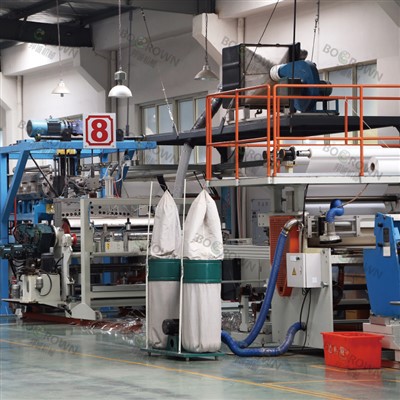
At the end of the day, the extrusion machine hydraulic system is the unsung hero of the manufacturing process. It’s not the pretty part of the line—you won’t see it featured in product brochures as the star of the show—but without it, even the best barrel design or die shape won’t produce a usable product. As someone who’s built and supplied extrusion machines for years, I’ve seen how a well-designed hydraulic system turns good raw material into great products, keeps production running smoothly, and saves clients money long-term.
Ribbon Mixer If you’re looking to upgrade your existing extrusion line, or invest in a new machine, I’d be happy to walk you through the hydraulic system specs for our models, answer any questions about maintenance or efficiency, and help you find the right setup for your specific product needs. We work with businesses of all sizes, from small custom profile makers to large automotive parts manufacturers, so whatever your production goals are, we can tailor a solution that fits.
References
- Garrett, T. (2020). Hydraulic Systems for Industrial Machinery: Design, Operation, and Maintenance. Industrial Press.
- Klein, P. (2022). Extrusion Technology: Principles, Materials, and Processes. Hanser Publications.
- National Fluid Power Association. (2021). Industrial Hydraulic System Best Practices for Manufacturing Operations. NFPA Press.
- Davis, J. R. (2019). Plastic Extrusion: A Practical Guide to Process and Machinery. Society of Plastics Engineers.
ZJG BC Machinery Co., Ltd.
As one of the most professional extrusion machine manufacturers and suppliers in China, we’re featured by quality products and good price. Please rest assured to buy cost-efficient extrusion machine for sale here from our factory. Contact us for custom service and OEM service.
Address: No.8 Lexi Road, Leyu Town, Zhangjiagang City
E-mail: sales@bcextruder.com
WebSite: https://www.bcextruder.com/
