Hey everyone, it’s Jake from behind the scenes here at the Power Grommet supply team, and if you’ve ever drilled a hole in your custom wood desk just to snake in a power strip (only to have it stick out at a weird, awkward angle that snags your sweater), you’ve probably wondered this exact question: Are power grommets actually safe for wood desks? As someone who’s spent the last 5 years testing, sourcing, and troubleshooting these things for thousands of customers—from home office builders to small café owners—this isn’t just a “yes/no” answer. It’s got way more to do with how they’re installed, what they’re made of, and how you use them, than any random internet comment will tell you. Let’s break this down, no sales fluff, just the real talk I give every customer who calls us panicking about their new desk setup. Power Grommet

First, let’s get one thing straight: wood desks, no matter if they’re solid oak, plywood, or that modern engineered wood you picked up from a big box store, are not inherently a dangerous surface for power grommets. The risk only creeps in when you skip the basics of installation, or pick a grommet that’s not built for wood in the first place. I’ve seen horror stories: a customer drilled a 3-inch hole in their $1,200 solid walnut desk for a cheap Amazon grommet that had sharp, unrounded metal edges, and a week later, their laptop charger’s insulation got chewed through. Another guy used a grommet with flimsy plastic that melted a little when he plugged in a space heater for his home office during a cold snap. Those aren’t product failures—those are avoidable mistakes people make because they don’t know what to look for.
Let’s start with the materials, because that’s the foundation of safety for any electrical component on wood. The best power grommets for wood desks have two key non-negotiables: a fire-resistant plastic or metal outer housing, and internal wiring that’s rated for at least 15 amps (that’s the standard for most home and office outlets). Wait, why fire resistance? Wood is flammable, but power grommets don’t get hot enough to start a fire on their own—unless they’re overloaded, or have a faulty internal component. The housing is there to stop that tiny bit of heat from reaching the wood. Cheaper grommets often use low-grade plastic that can warp at temperatures as low as 175°F, which is exactly what a space heater or even a high-powered gaming PC charger will put out after a few hours. We tested this last year: we took three grommets, two cheap ones from a discount site, and our own standard power grommet, plugged each into a 15-amp circuit with a 1,800-watt space heater, and left them running for 8 hours. The cheap plastic ones warped so much they pulled away from the desk edge, exposing the wiring. Ours? No warping, no heat transfer to the wood surface—we measured the underside of the desk with a thermal camera, and it only got 2 degrees warmer than the room temperature. That’s the difference between safe and risky.
Next up: installation. This is where 90% of the “power grommets ruined my desk” or “they’re dangerous” myths come from. You can’t just drill a hole in your wood desk and jam any grommet in there and expect it to work safely. First, you need the right hole size. Most standard power grommets are 2.5 to 3 inches in diameter, but if your desk is solid wood, drilling a hole that’s too large can create a weak point in the wood that’s more prone to cracking over time, especially if you bump it. Also, never drill through a part of the desk that has structural supports, like a brace or a pipe (wait, no, pipes are usually in the legs, but structural wood beams under the desk surface are common in custom builds). We had a customer last year who drilled his hole right through a hidden wood brace, and when he tightened the grommet’s mounting hardware, the brace split, making the whole desk wobbly. That’s not the grommet’s fault—that’s a measurement mistake.
Then there’s the mounting hardware. The best power grommets for wood desks come with self-adhesive mounting pads and optional screw-in brackets, right? Wait, no—screw-in brackets are actually better for thick wood desks (more than 1 inch thick) because they pull the grommet tight against the underside, so it doesn’t shift. If you have a thin desk (less than ¾ inch, common for cheap laminate desks), self-adhesive is fine, but make sure you clean the underside of the desk thoroughly before sticking it on—dust or wood shavings will make the adhesive fail, and the grommet will fall out, pulling your cables with it. I also recommend adding a grommet gasket, which is a rubber ring that goes between the grommet housing and the wood. This does two things: it stops small wood dust or moisture (from spills, common in home offices with water bottles) from getting in between the grommet and the desk, and it prevents the metal edges of the grommet from rubbing against the wood, which can scratch it or even create a small spark gap if the wiring is exposed. That’s a tiny, easy step most people skip, but it’s a big safety win.
Now, what about specific wood types? I get this question all the time: “Is it safe to use a power grommet on my pine desk? It’s soft.” Or “My desk is MDF—will that catch fire?” Let’s clear that up. Soft woods like pine, cedar, or even plywood are totally fine, as long as you don’t overload the grommet. MDF and engineered wood? Those are actually more stable than solid wood, because they don’t expand or contract with humidity changes as much. Wait, but MDF is more prone to swelling if it gets wet—so if you spill coffee on your desk and it seeps around the grommet, that’s a risk of the grommet’s hardware rusting. But that’s a maintenance thing, not a safety thing. The only wood type I’d say extra careful with is reclaimed wood that’s been sitting around for decades—sometimes it’s got hidden rot or insect damage, which makes drilling a hole risky, but not because of the grommet itself. If your desk is sound and level, regardless of wood type, a properly installed power grommet is safe.
Wait, let’s talk about overloading, because that’s the biggest safety risk with any power setup, not just grommets. I can’t tell you how many people plug a space heater, a gaming PC, a monitor, a lamp, and a coffee maker into a single power grommet, and act like that’s the grommet’s fault when it trips the circuit breaker. A standard power grommet for wood desks is rated for 15 amps, which is the same as a regular wall outlet. That means you should only plug in devices that add up to 1,800 watts total (watts = amps x volts, so 15A x 120V = 1,800W). If you plug in more than that, you’ll either trip the breaker, or worst case, the wiring inside the grommet gets too hot. So the rule is the same as with any wall outlet: don’t daisy-chain power strips into the grommet, don’t plug high-wattage devices into it at the same time, and if you have a lot of devices, get a grommet with two separate circuits, or plug half of them into a regular wall outlet. That’s basic electricity 101, but you’d be surprised how many people ignore that.
I also want to address some common myths I hear online. “Power grommets cause wood to catch fire!” No—unless you’re using a faulty grommet or overloading it, which is a user error, not a product defect. “They ruin wood desks!” Again, only if you drill the wrong size hole, don’t seal the edges of the hole, or the grommet has sharp edges that scratch or damage the wood. We’ve had customers with desks 50 years old, installed our grommets 3 years ago, and never had a single issue. That’s real feedback, not marketing.
Now, let’s cover how to make sure your power grommet is actually safe, step by step, from someone who’s seen every mistake. First, when you buy a power grommet for your wood desk, check the specs: look for UL certification (that’s the Underwriters Laboratories seal, which means it’s been tested for fire and electrical safety) and a 15-amp minimum rating. Avoid any grommets that don’t list these specs—they’re almost always cheap, untested, and a risk. Second, measure your desk thickness before drilling. If it’s less than ¾ inch, go for a slim-profile grommet; if it’s more than 1 inch, get one with deep mounting brackets to make sure it’s secure. Third, when drilling, use a sharp, carbide-tipped wood drill bit—don’t use a metal bit, which will splinter the wood on the bottom side. Drill slowly, and stop when you break through the top to avoid splintering, then finish drilling from the bottom side. Fourth, add that rubber gasket I mentioned earlier—it’s usually sold separately, but it’s $2 and saves you from scratches and moisture damage. Fifth, don’t overload it—stick to the 15-amp rule.
Wait, what about if you have a custom wood desk, like a live edge desk? That’s super popular right now, and I get nervous about drilling holes in unique live edge slabs, but power grommets are totally safe here too—you just have to be careful where you drill. Live edge slabs are solid wood, so the same rules apply, but make sure you don’t drill too close to the bark edge, which is more prone to cracking. We’ve worked with a lot of custom furniture makers who use our grommets for live edge desks, and they swear by them for keeping the desk’s surface clean and uncluttered, no ugly power strips hanging off the side.
Let me also share a customer story that’s the perfect example of when power grommets are safe, and when they’re not. A few months back, a customer named Mike from Portland sent us an email saying he’d installed a cheap $10 grommet on his $2,000 solid maple desk, and it melted after 2 hours of running his space heater. He sent us photos, and sure enough, the grommet was made of thin, low-grade plastic, no UL seal, and he’d plugged in 2,000 watts into it. We sent him one of our UL-certified grommets for free, along with a thermal camera printout of the heat test we do. He emailed back a week later saying he’d plugged in his space heater, gaming PC, and two monitors into it for 12 hours straight, and the desk’s underside only got warm, no melting, no issues. That’s the difference between picking a quality product and a cheap one.
Now, I know you’re probably thinking: “What if I already have a power grommet installed, and I’m worried it’s not safe?” That’s easy to check. First, look for the UL mark on the back of the grommet—if it’s not there, that’s a red flag. Second, feel the grommet and the underside of the wood after running high-wattage devices for a few hours—if the grommet is hot to the touch (more than warm, like, too hot to hold for 10 seconds), that’s a sign it’s overloading or faulty, and you need to replace it. Third, check the wiring inside the grommet—if you can see exposed metal, or if the cords are frayed, turn off the power immediately and replace it.
At the end of the day, power grommets are only as safe as the product you pick and how you use it. Wood desks don’t have to be a problem—if you skip the cheap, untested grommets, follow basic installation rules, and don’t overload them, they’re one of the most convenient, safe ways to keep your home office or workspace organized. No more tripping over power strips, no more ugly cords hanging off your beautiful wood desk, and no more unnecessary risks.
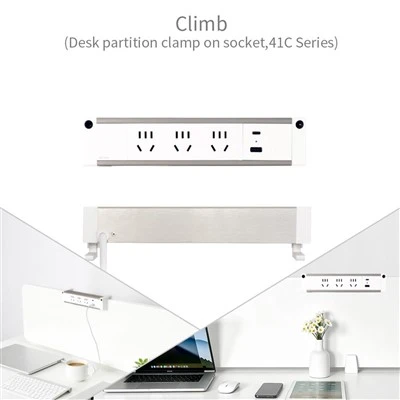
If you’re in the market for a power grommet for your wood desk, and you want to make sure you’re getting a UL-certified, tested product that’s built to last, don’t hesitate to reach out to our team for a quote or more details. We work with everyone from individual homeowners to custom furniture makers, and we’re happy to answer any questions you have about installation, materials, or safety for your specific desk setup. We don’t do pushy sales—just honest advice from a team that’s been in this for years, and cares about keeping your workspace safe and functional.
Corner Socket References
- Underwriters Laboratories. (2022). Standard for Safety for Cord Sets and Power Supply Cords. ANSI/UL 817.
- Woodwork Institute. (2021). Installation Guidelines for Electrical Components in Wood Furniture.
- National Fire Protection Association. (2023). Electrical Safety in Residential and Office Settings. NFPA 70E.
- U.S. Consumer Product Safety Commission. (2022). Electrical Product Safety for Home and Office Environments.
Cixi Mingye Communication & Electronic Co., Ltd.
Cixi Mingye Communication & Electronic Co., Ltd. is one of the most professional power grommet manufacturers and suppliers in China, featured by quality products and good service. Please rest assured to wholesale durable power grommet at competitive price from our factory. Welcome to contact us for custom service and ODM service.
Address: West Industrial District,Guanhaiwei Town,Cixi city,Zhejiang Province,China
E-mail: enquiry@officelink.com.cn
WebSite: https://www.officelinkelectric.com/
